Castle Conservation Techniques: How the UK’s Fortresses Are Preserved Today
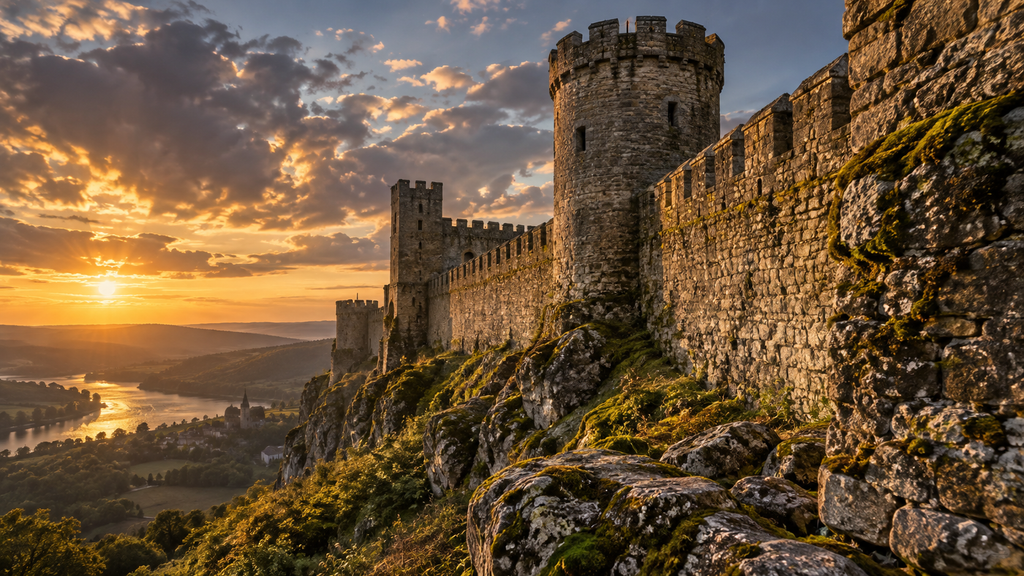
Anyone who’s pitched a tent within sight of a crumbling curtain wall knows the pull of a ruined castle. But keeping these structures standing — and safe to visit — takes far more than admiration. Across the UK, castle conservation techniques have evolved into a sophisticated blend of old-world craft and modern science, and understanding how it works makes every visit that bit richer.
The Complete Guide to UK Castles
Advanced Materials Meeting Ancient Methods
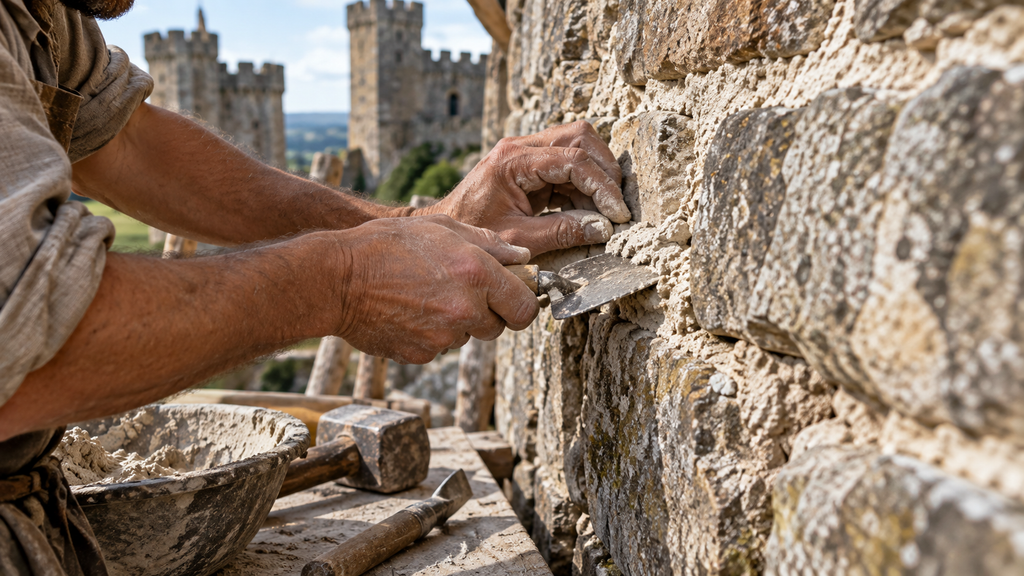
Modern conservation increasingly blends traditional craftsmanship with cutting-edge materials science. Specialists have developed specialised mortars engineered to match the chemical composition of original medieval binding agents, while offering far greater durability against weathering.
At Dover Castle in Kent, conservators pair these advanced materials with centuries-old masonry techniques, keeping repairs historically faithful while giving the walls stronger long-term protection.
Digital Documentation: Preserving More Than Stone
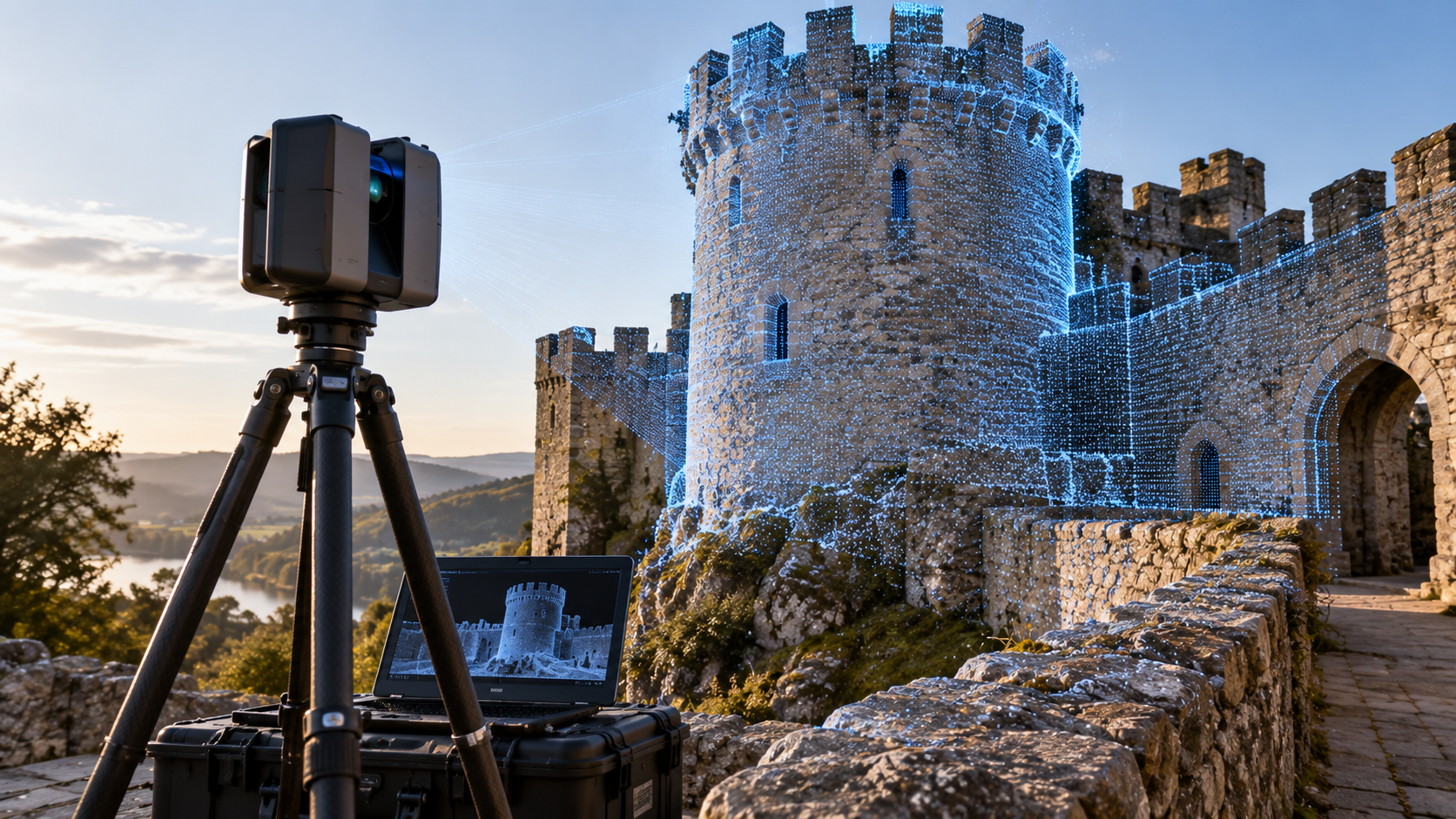
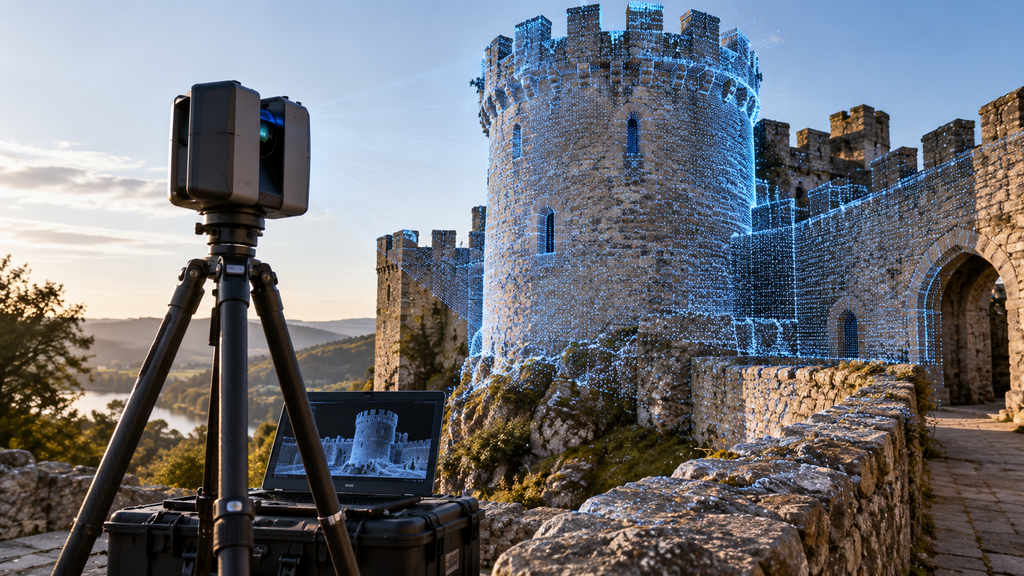
Physical repair is only half the story. Castle conservation techniques now include comprehensive digital archiving. High-resolution photogrammetry captures every architectural detail, building virtual repositories that support future restoration work and serve as invaluable research tools.
Ruins Worth Visiting: The UK’s Most Dramatic Castle Remains
Community Engagement: The Modern Defenders
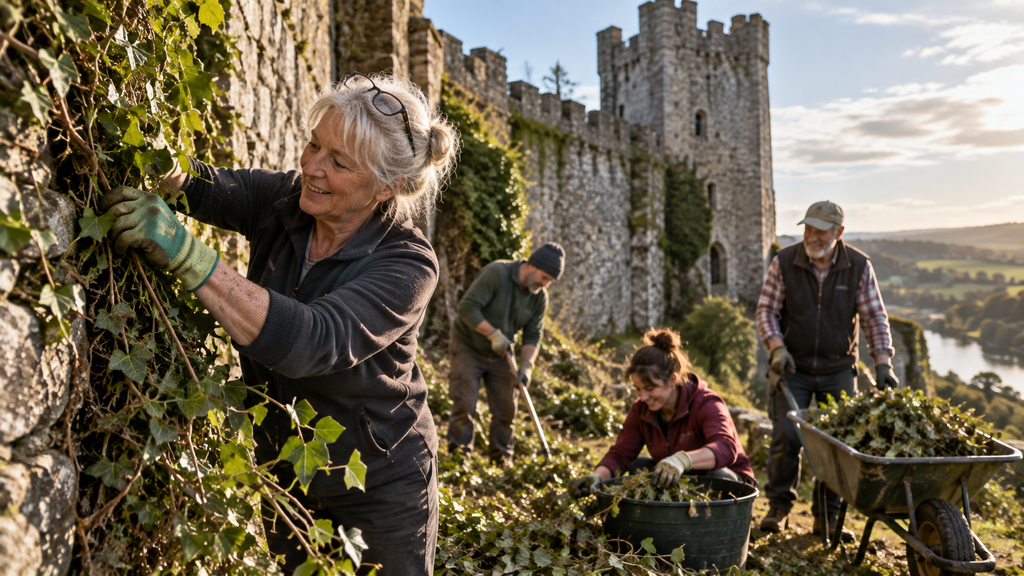
Local communities play a growing role in keeping castles standing. Public-private partnerships have become a sustainable funding model, while educational programmes turn historic sites into living classrooms.
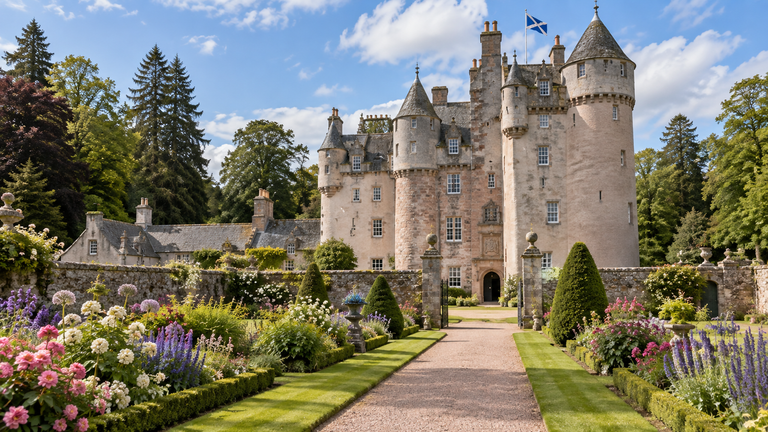
At Stirling Castle in Scotland, volunteers take part directly in maintenance programmes, building a sense of ownership that helps ensure these structures keep telling their stories for generations to come.
Climate Change: The New Siege
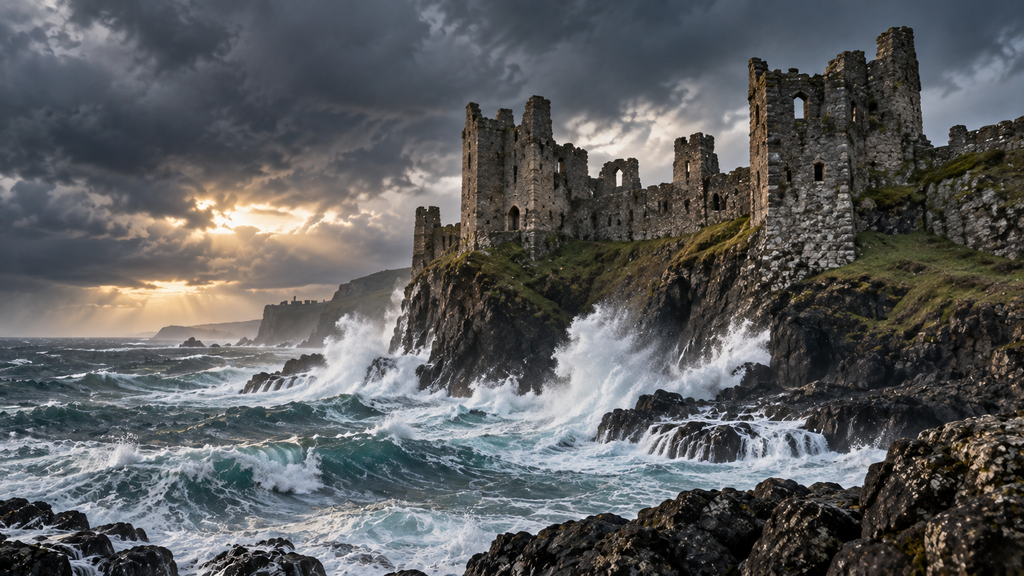
Today’s conservators face an unprecedented adversary: climate change. Rising sea levels threaten coastal fortifications, while extreme weather accelerates stone degradation.
Conservation teams are now building climate-adaptation strategies into their work — improved drainage, protective barriers, and materials chosen to withstand a changing climate — so these ancient strongholds can weather modern conditions as well as they’ve weathered medieval ones.