Sustainable Camping UK: A Complete Guide to Eco-Friendly Trips
Camping in the UK has never been more popular — but with more tents pitched across our national parks, coastlines, and castle grounds each year, sustainable camping has never mattered more. This guide walks you through practical, UK-specific ways to camp responsibly, so the landscapes we love to explore stay wild, green, and welcoming for the next generation of campers.
Before You Go: Sustainable Planning & Packing
Choosing Eco-Friendly Camping Gear
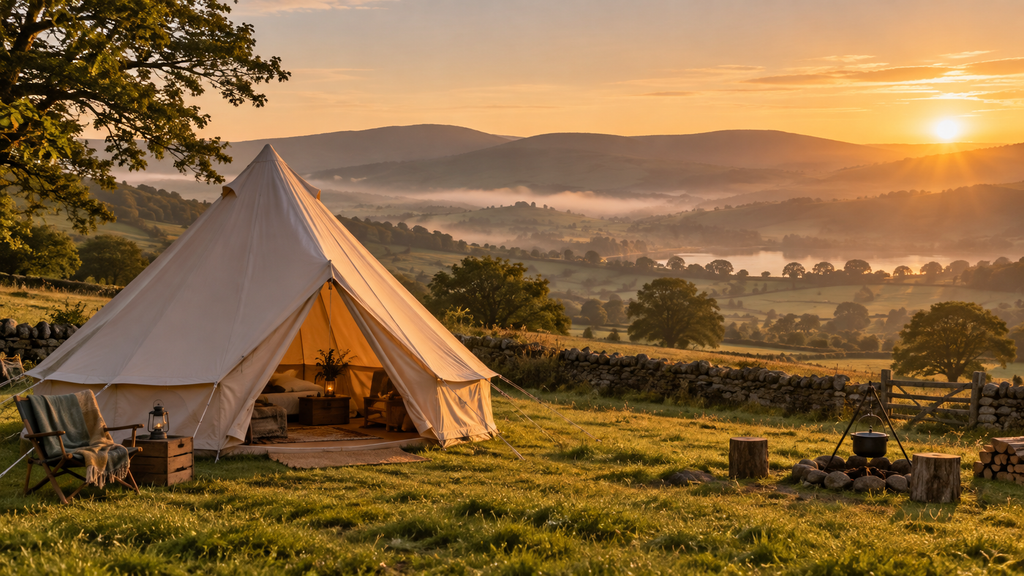
Sustainable camping starts before you leave the house. Before buying new kit, check whether it’s worth renting — many outdoor centres and local clubs now hire out tents, stoves, and sleeping bags. If you do need to buy, choose durable gear built to last rather than cheap kit destined for landfill after one trip. Second-hand gear marketplaces are a great source of quality equipment at a fraction of the price, and when buying new, look for recycled fabrics or responsibly sourced natural materials.
The Best Camping Gear for UK Weather (Honest Reviews)
Food & Supply Planning
Reduce waste with reusable containers, beeswax wraps, and proper utensils instead of single-use alternatives. Where possible, buy supplies from farm shops or local markets near your campsite — it supports the local economy and usually means fresher food. Pre-measuring meals before you leave home cuts down on food waste at the campsite.
Choosing a Sustainable UK Campsite
Certified Sustainable Campsites
Look for UK campsites with recognised green certifications — many now feature composting toilets, solar power, and water-conservation systems. A quick check of a site’s environmental policy before booking helps you choose somewhere that matches your values.
How to Choose a UK Campsite: What to Look For and The Ultimate Guide to Camping Near UK Castles
Wild Camping in the UK: What’s Actually Legal
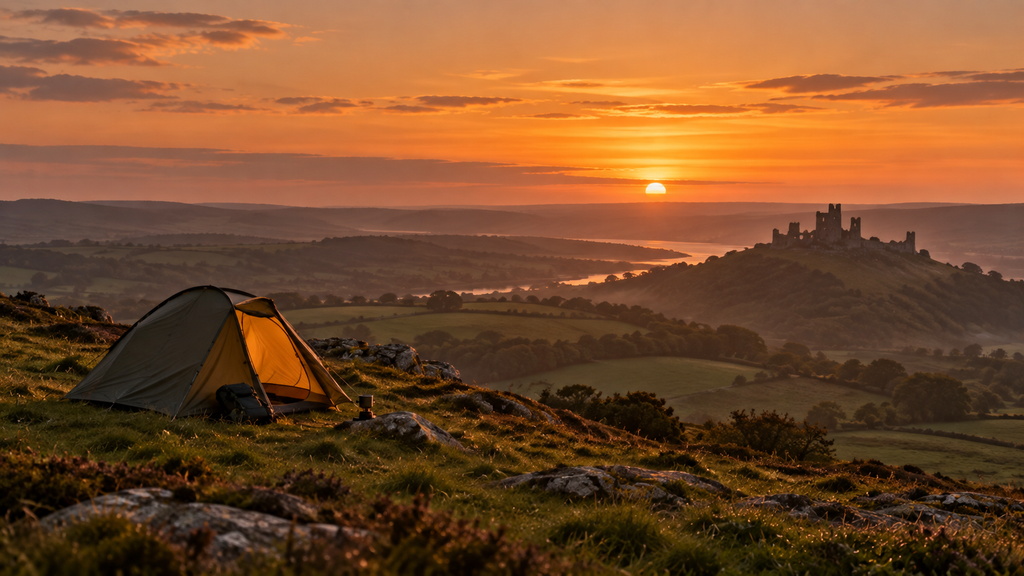
Wild camping rules differ sharply across the UK — Scotland’s right to roam gives far more freedom than the more restricted rules in England and Wales. Wherever you camp wild, seek permission where it’s required, choose ground that already shows signs of previous use, and pitch well away from fragile ecosystems.
On-Site Sustainable Practices
Setting Up Camp
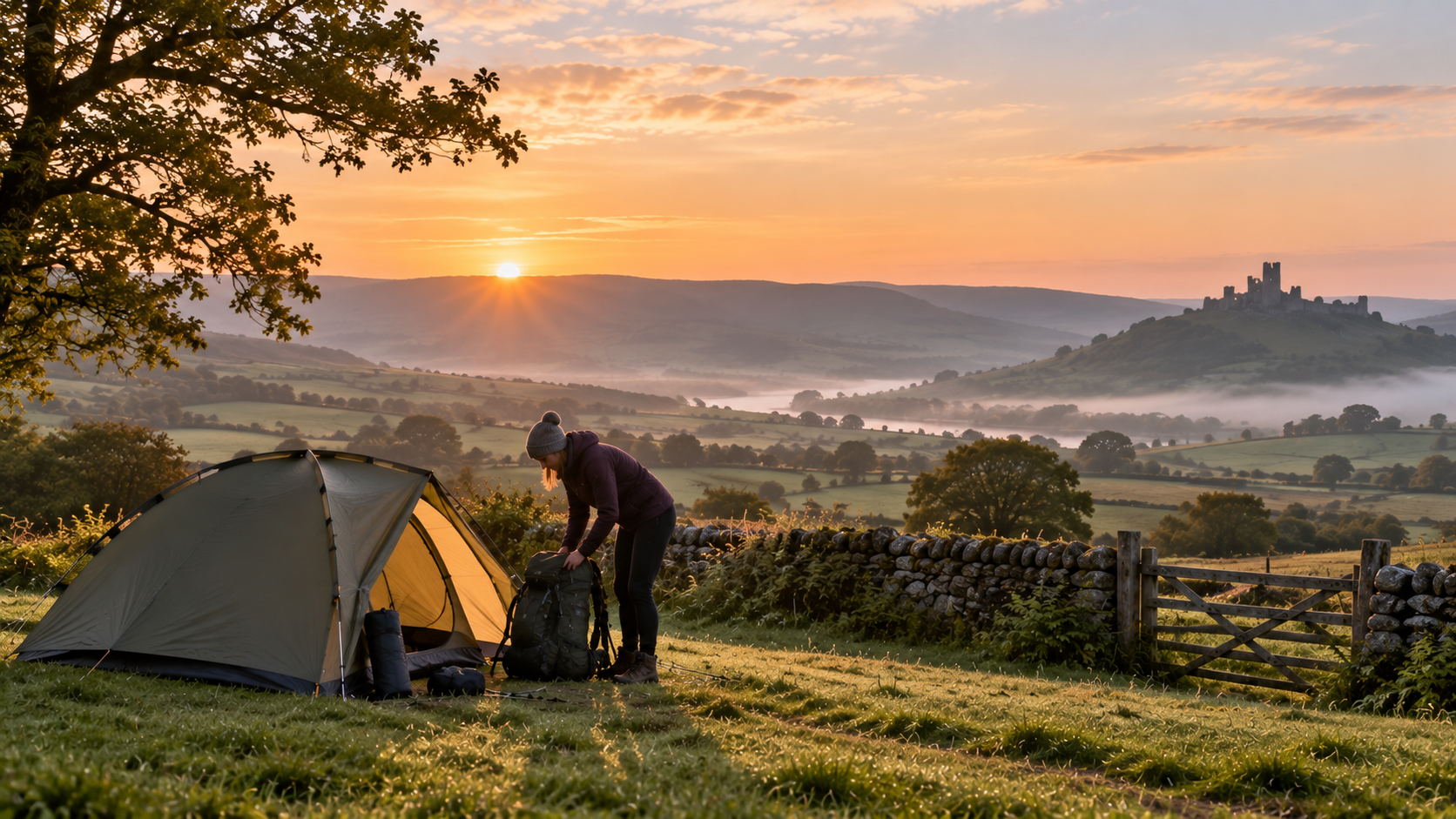
Pitch on durable ground and avoid delicate vegetation. Stick to existing paths and clearings rather than creating new ones, and think about natural drainage before you pitch to reduce your impact on the soil.
Water Conservation
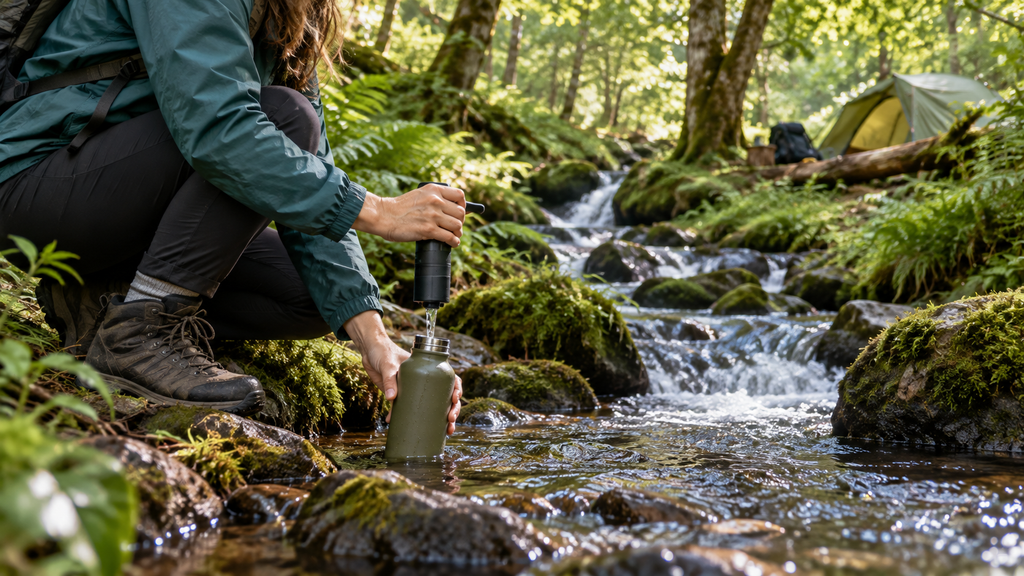
Collect water only from designated sources and always filter or treat it properly. Use biodegradable soap for washing up, and dispose of greywater at least 50 metres from any natural water source.
Waste Management: Leave No Trace
The “Leave No Trace” principle should guide everything you do at camp. Pack out everything you pack in, sort rubbish for recycling where facilities allow, and consider a small portable composting system for food scraps.
Energy Use
Make the most of daylight hours and switch to solar-powered or rechargeable LED lighting after dark. A solar charger keeps devices topped up without mains power, and insulated cooking bags or pre-soaked ingredients cut down on fuel use at the stove.
Protecting the Local Environment
Wildlife Considerations
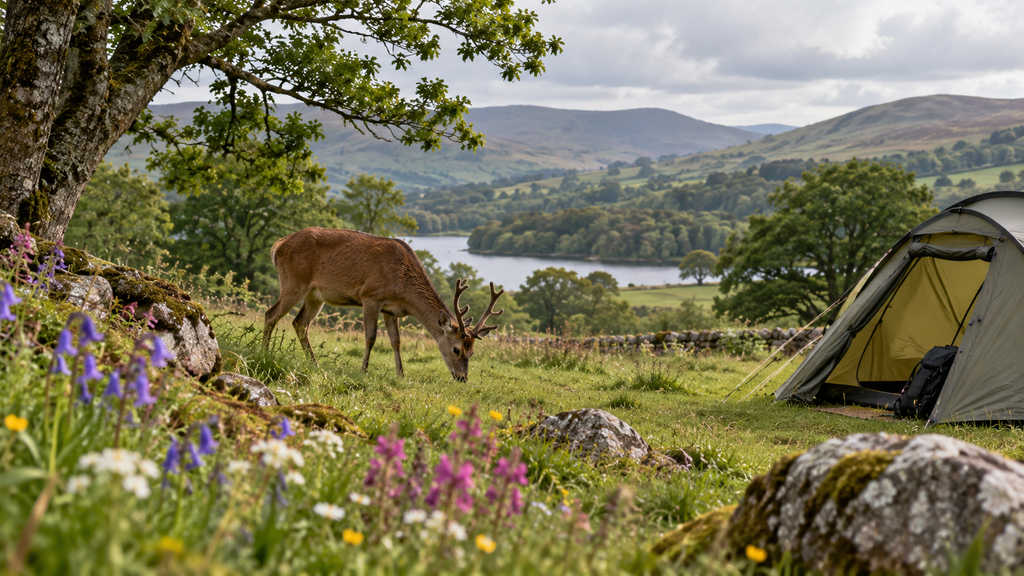
Store food securely to avoid attracting wildlife, keep a respectful distance from any animals you encounter, and never feed wild creatures — particularly during breeding season.
Flora Protection
Stick to marked trails to protect the UK’s plant life, and only forage with proper knowledge and permission. Clean your gear between camping trips to avoid spreading invasive species between sites.
Community Impact
Supporting Local Economies
Buy supplies from village shops and local markets, book local guides for activities, and take part in community camping initiatives where they exist — it’s one of the simplest ways to give back to the places you visit.
A Weekend in Northumberland: Castles, Coastline, and Campsites
Respecting Rural Communities
Keep noise down, especially early morning and evening, and take time to learn local customs. Good relationships with rural communities help keep these beautiful spaces open and welcoming to campers.
After Your Trip
Restoring the Site
Before you leave, restore your pitch to its natural state — fill in peg holes, clear fire sites where permitted, and report any environmental issues you noticed to the relevant authority or conservation body.
Staying Involved
Many UK national parks run volunteering days and conservation projects — a great way to give back beyond your camping trip. Sharing what you’ve learned with other campers helps sustainable habits spread further.
Seasonal Considerations
The UK’s changeable weather calls for flexible sustainable camping practices. Be extra mindful of soil erosion in wet conditions, take fire precautions during dry spells, and adapt your kit season to season.
Final Thoughts
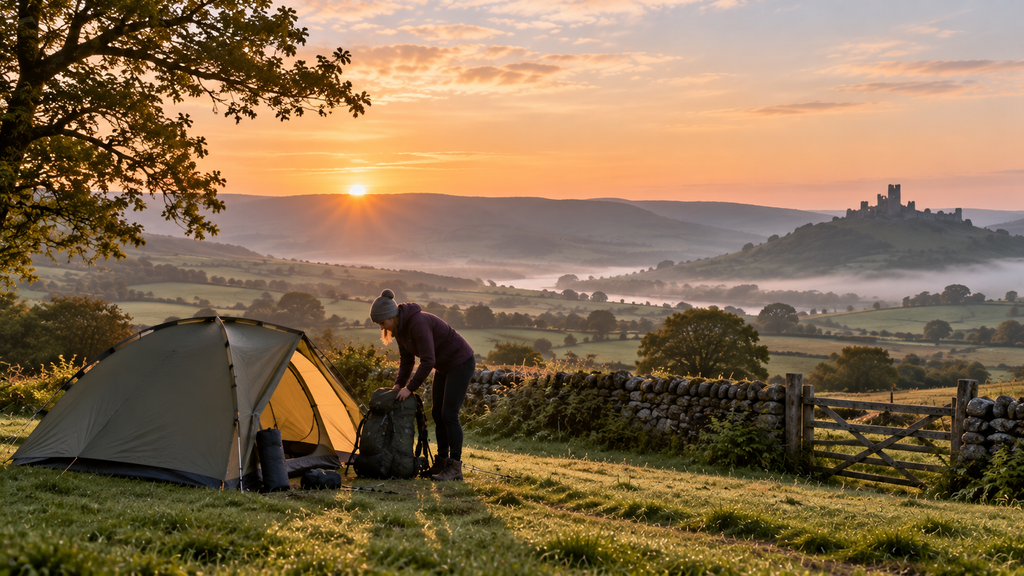
Sustainable camping in the UK is about small, conscious choices — the gear you pack, the site you choose, the way you leave your pitch. Every one of these choices protects the landscapes that make British camping worth doing in the first place. Follow these principles on your next trip, whether you’re pitching in the Highlands or camping your way around a castle trail, and you’ll be doing your part to keep the UK’s wild spaces wild.