Ruins Worth Visiting: The UK’s Most Dramatic Castle Remains
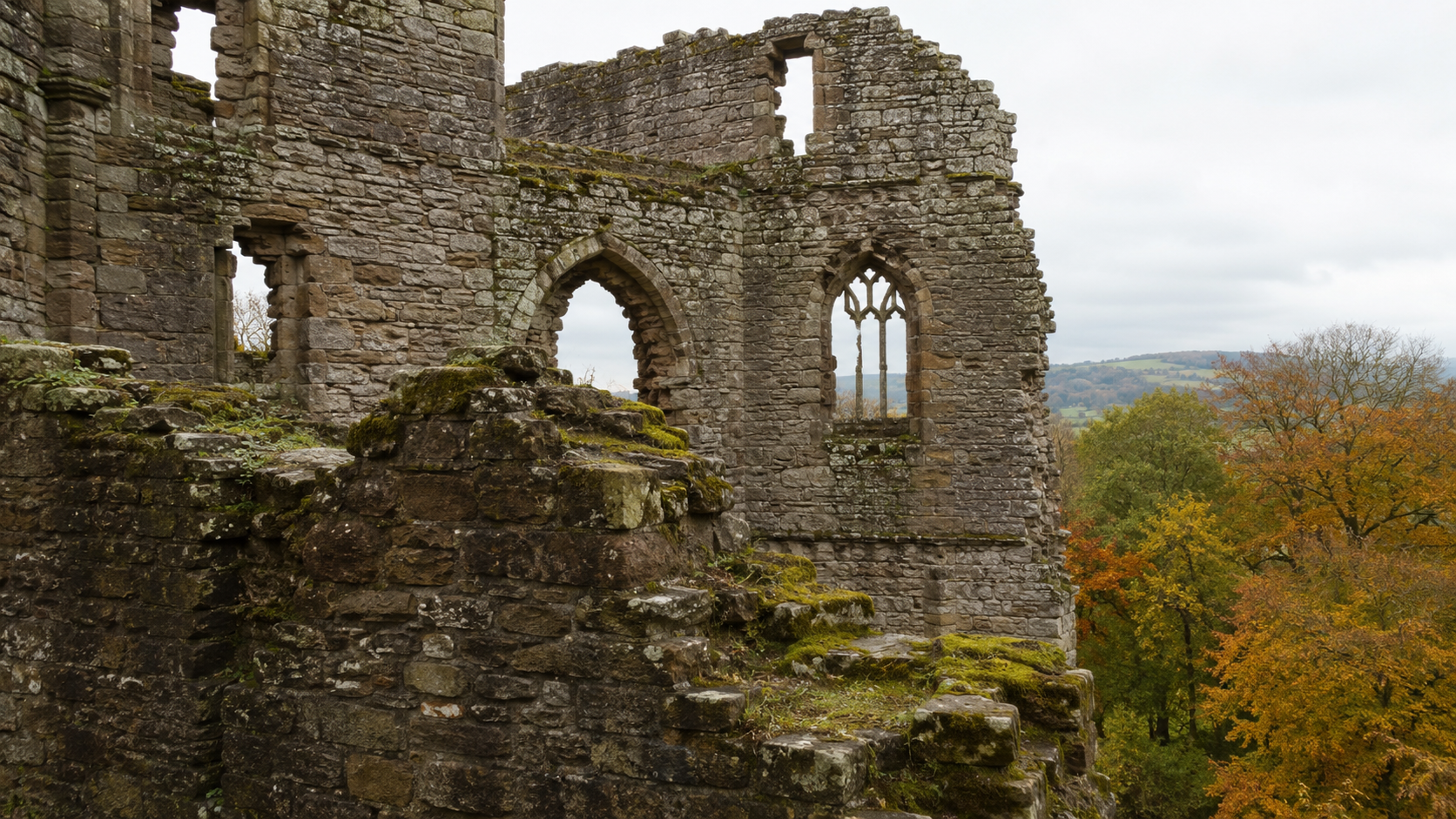
There’s something about a ruined castle that a perfectly preserved one can never quite match. Intact castles are impressive, but ruins tell a different kind of story — one written in fallen stone, empty window arches, and towers that have been standing defiant against the weather for eight hundred years. If you’re chasing atmosphere over polish, the UK’s ruined castles are some of the most dramatic historic sites in the world, and many of them sit in wild, beautiful locations that are perfect for pairing with a camping trip.
This guide rounds up the most striking castle ruins across England, Scotland, and Wales, with practical visiting details and a few honest opinions on which ones are actually worth the drive.
Why Ruined Castles Deserve Their Own Bucket List
Roofless halls and broken curtain walls aren’t a downgrade from a “proper” castle experience — they’re often the better one. Ruins tend to sit in the locations that made them strategically important in the first place: clifftops, river bends, isolated hilltops. Because there’s less to maintain, many ruined sites have generous free access, fewer crowds, and none of the gift-shop gloss that can make a fully restored castle feel more like a theme park than a historic site.
They’re also brilliant for photography, for wild-feeling day walks, and — because so many sit in remote or coastal areas — for pairing with a night or two of camping nearby. If you’re building a trip around this list, our companion guide to campsites near UK castles is worth checking before you go.
England’s Most Dramatic Ruins
Corfe Castle, Dorset
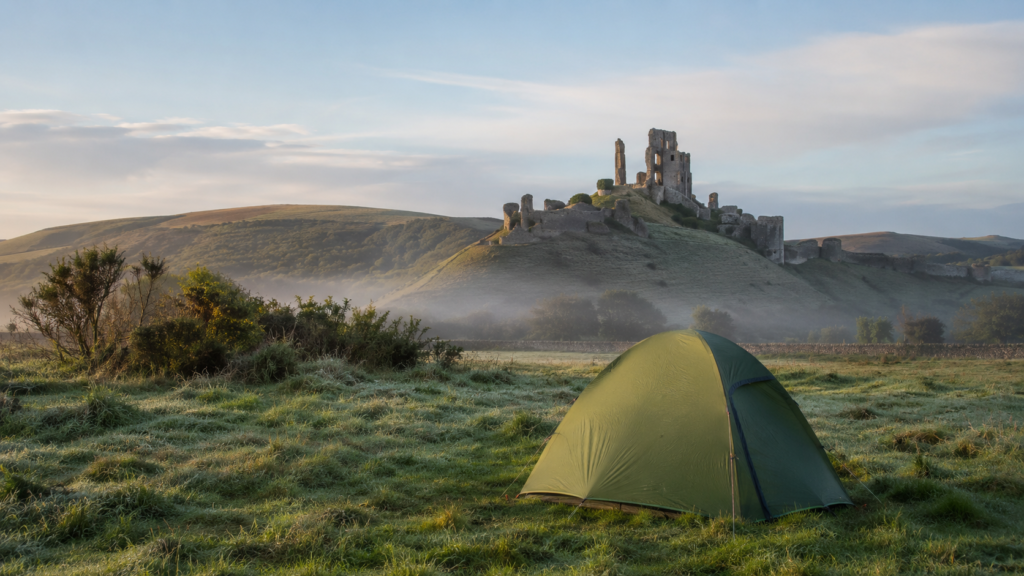
Blown apart by Parliamentarian forces during the English Civil War, Corfe Castle’s shattered towers lean at improbable angles above the village that shares its name. It’s one of the most photographed ruins in the country, and for good reason — the silhouette against the Purbeck Hills is unmistakable. The National Trust manages the site, with a small visitor charge for non-members.
Tintagel Castle, Cornwall
Perched on a wind-battered headland linked to the mainland by a dramatic footbridge, Tintagel trades on its legendary Arthurian connections as much as its genuine medieval remains. The setting is the real draw here — sheer cliffs, crashing Atlantic waves, and a ruin that feels like it was built to be swallowed by the sea. Pair it with a stay along the Cornish coast; campsites near Tintagel get busy in summer, so book ahead.
Whitby Abbey, North Yorkshire
Technically an abbey rather than a castle, Whitby’s gothic ruin earns its place here for sheer atmosphere. Its skeletal arches inspired Bram Stoker to set part of Dracula in the town below, and standing beneath the ruined nave at dusk, it’s easy to see why.
Kenilworth Castle, Warwickshire
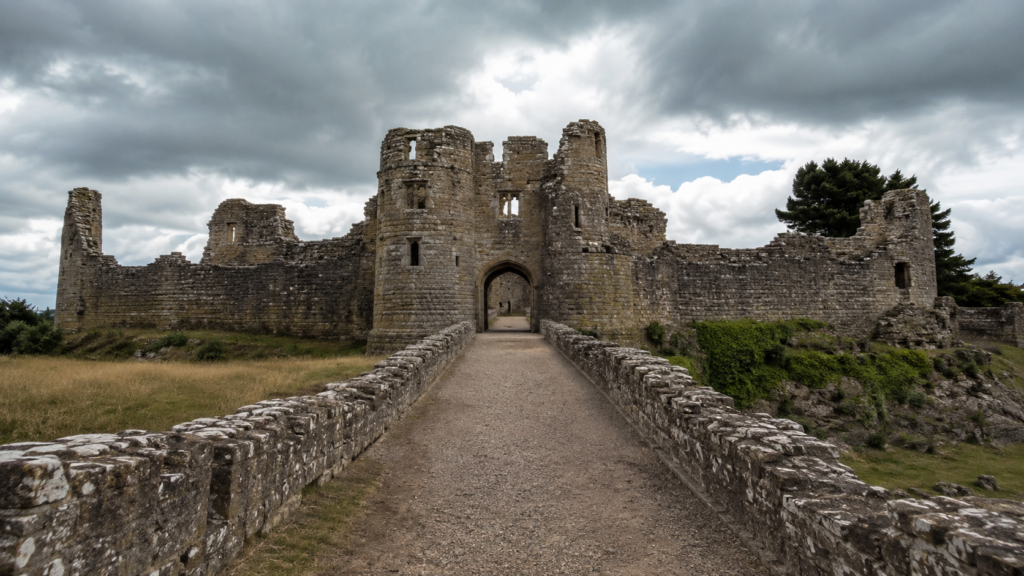
Once one of the largest castles in England, Kenilworth was deliberately “slighted” — partially demolished — after the Civil War to prevent it being used militarily again. The result is a vast, romantic ruin with an Elizabethan garden recreated alongside it, giving a rare sense of scale for what English castle life once looked like.
Scotland’s Most Dramatic Ruins
Dunnottar Castle, Aberdeenshire
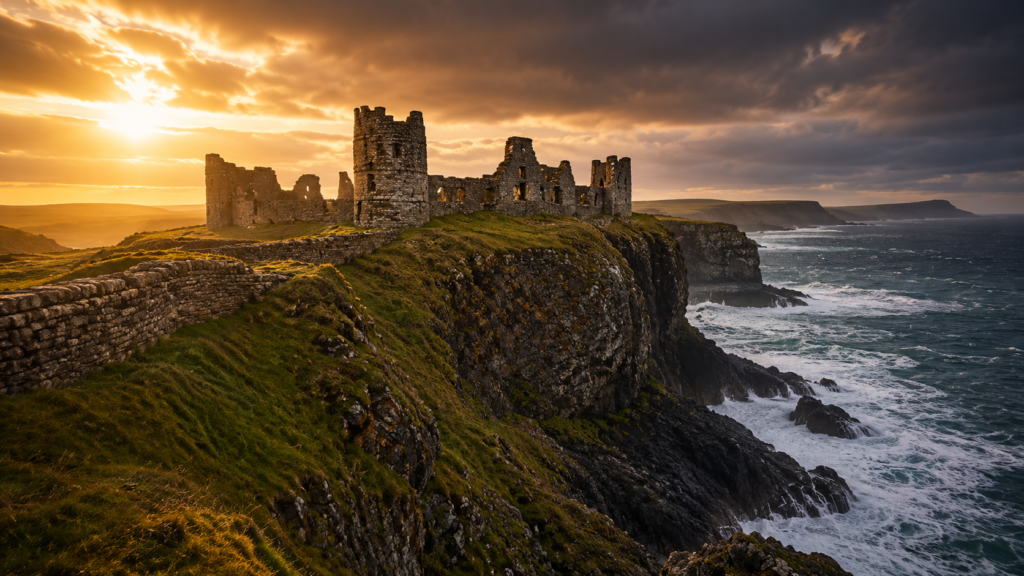
If one image defines “dramatic Scottish ruin,” it’s Dunnottar — a cluster of roofless buildings perched on a near-island of rock, connected to the cliffs by a narrow, steep path, with the North Sea battering the base on three sides. It’s one of the most photographed ruins in Scotland and an easy addition to any Aberdeenshire castle-and-camping itinerary.
Tantallon Castle, East Lothian
A vast red sandstone curtain wall standing alone against the sea, with the Bass Rock visible offshore, Tantallon was one of the last medieval fortresses built in Scotland before castle design shifted toward artillery defences. Historic Environment Scotland maintains the site, and the coastal setting makes it an easy stop on an East Lothian road trip.
Kilchurn Castle, Loch Awe
Reflected in still water with mountains behind it, Kilchurn is arguably the most photogenic ruin in Scotland. It’s free to view from the loch shore, with a short walk in from the nearest car park, and is best visited early morning or at golden hour for the classic reflection shot.
Urquhart Castle, Loch Ness
Fewer ruins pair heritage with a bit of monster-hunting. Urquhart’s remains sit on the loch shore with sweeping views up and down Loch Ness, and the site includes a well-curated visitor centre explaining the castle’s turbulent history of sieges and destruction.
Wales’s Most Dramatic Ruins
Dinas Brân, Denbighshire
A steep, breathless climb above Llangollen rewards you with sparse but evocative remains and one of the best panoramic views of any ruin on this list. There’s no ticket booth, no gift shop — just wind, stone, and the Dee Valley spread out below.
Carreg Cennen Castle, Carmarthenshire
Built on a limestone crag above the Brecon Beacons, Carreg Cennen includes a genuinely eerie natural cave passage beneath the ruins, accessible with a torch. It’s remote, dramatic, and rarely crowded — one of the most underrated ruins in the UK.
Raglan Castle, Monmouthshire
Raglan blends late-medieval grandeur with genuine ruin — a moated hexagonal tower, grand gatehouse, and remnants of what was once one of the most luxurious residences in Wales before Civil War slighting reduced it to its current state.
Visiting Tips for Ruined Castles
- Wear proper footwear. Unlike restored castles, many ruins have uneven ground, loose stone, and unfenced drops. Sturdy shoes aren’t optional.
- Check access and opening details before you go. Some ruins (like Dinas Brân) are freely accessible year-round; others (like Corfe Castle) are managed sites with entry fees and set hours.
- Go early or late in the day. Ruins photograph best in low, angled light, and the more famous sites (Dunnottar, Corfe) get genuinely busy by mid-morning in summer.
- Bring layers. Coastal and clifftop ruins in particular can be significantly colder and windier than inland areas.
- Combine with camping. Many of these ruins sit near excellent campsites, making it easy to build a two- or three-night trip around a cluster of nearby sites rather than a single day visit.
A Quick Word on Why Ruins Get Left to Crumble
It’s a fair question: why doesn’t the UK simply restore these castles rather than let them fall further into disrepair? The honest answer is a mix of cost, heritage philosophy, and practicality. Organisations like Historic England, Historic Environment Scotland, and Cadw generally follow a “conserve as found” principle — stabilising a ruin to stop further decay rather than rebuilding it, which would risk erasing the authentic historical fabric and creating something closer to a replica than a genuine heritage site. It’s also, frankly, far cheaper — and many visitors, understandably, prefer the atmosphere of a real ruin to a rebuilt reconstruction.
Most Striking Places To Visit
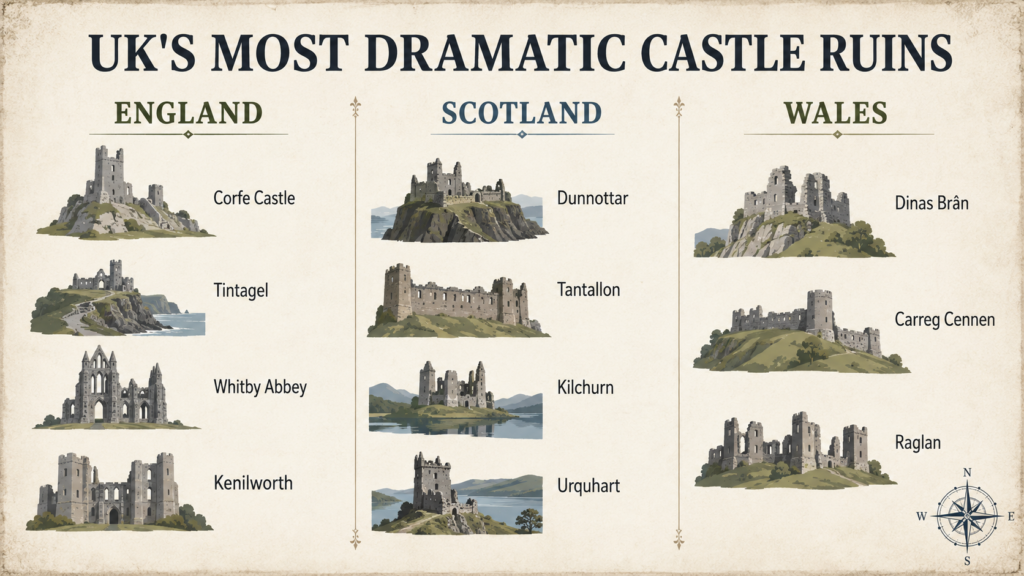
Ruined castles are proof that a building doesn’t need a roof to be worth the trip. From Dunnottar’s cliff-bound silhouette to Kilchurn’s still-water reflection, these are some of the most striking places in the UK to plan a day out around — and with a bit of route planning, several of them slot naturally into a wider castle-and-camping road trip. If you’re mapping out where to base yourself, our regional castle guides and campsites-near-castles articles are the natural next stop.