How to Choose a UK Campsite: What to Look For
Selecting the perfect campsite can make or break your outdoor adventure. Whether you’re planning a weekend getaway in the Lake District or a longer expedition through the Scottish Highlands, knowing how to choose a UK campsite is the single biggest factor in how much you’ll enjoy your trip. This guide walks you through everything worth considering — from location and terrain to safety and seasonal timing — so you can pick a pitch that actually suits you.
Location
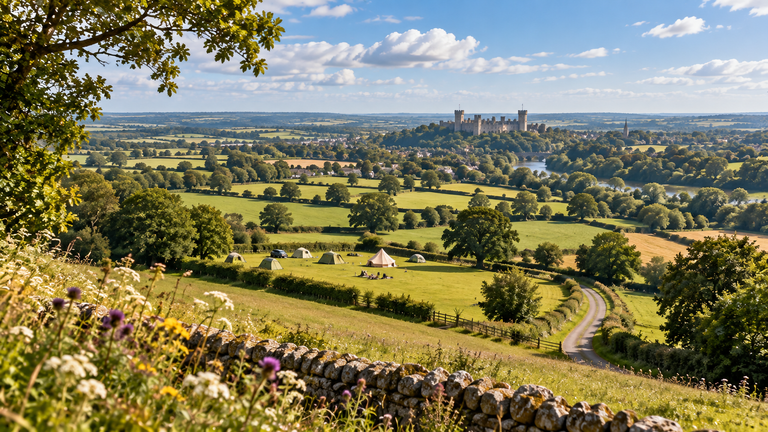
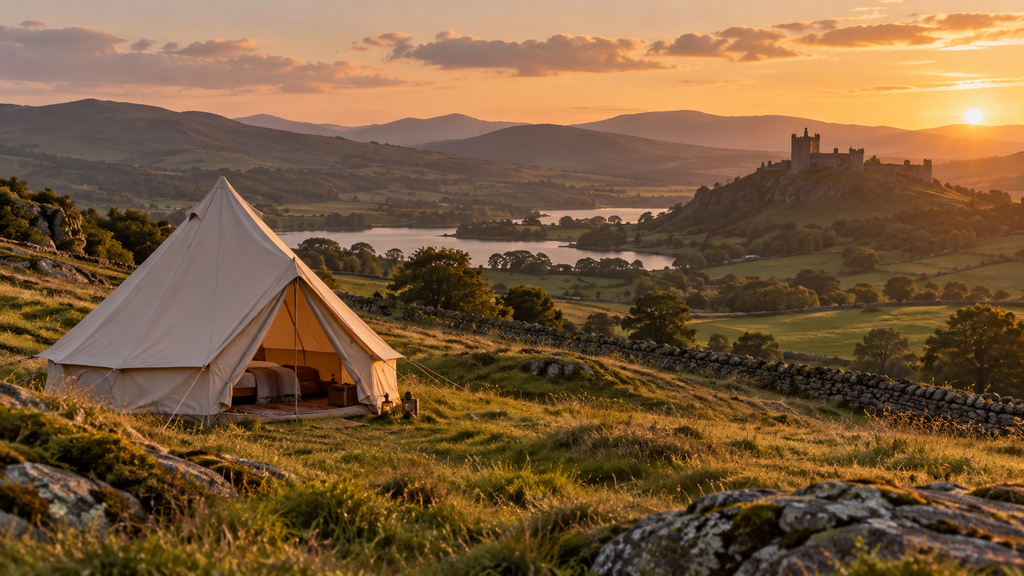
When choosing your campsite, start with proximity to the attractions or activities you actually want to spend time on. Are you hoping to hike in Snowdonia, explore the coastal paths of Cornwall, or soak up the quiet of the Yorkshire Dales? Think about how far you’re realistically willing to travel and the kind of landscape you prefer. The UK offers a genuinely diverse range of camping experiences, from forested valleys and mountain ranges to coastal clifftops and riverside pitches.
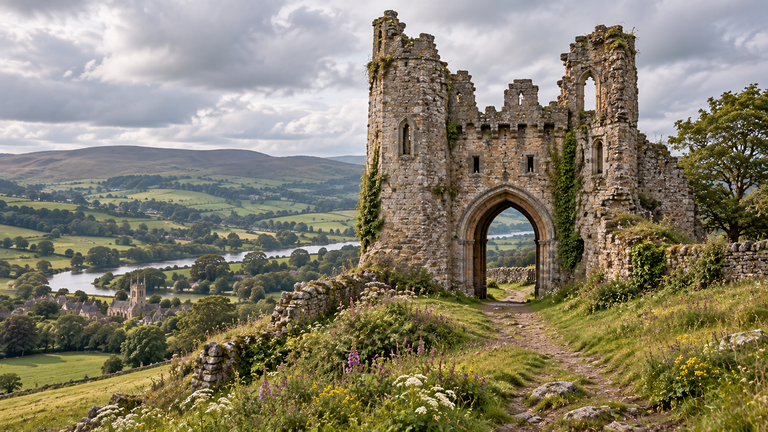
Best Castles in Yorkshire: 10 Historic Strongholds Worth the Trip
Terrain and Natural Features
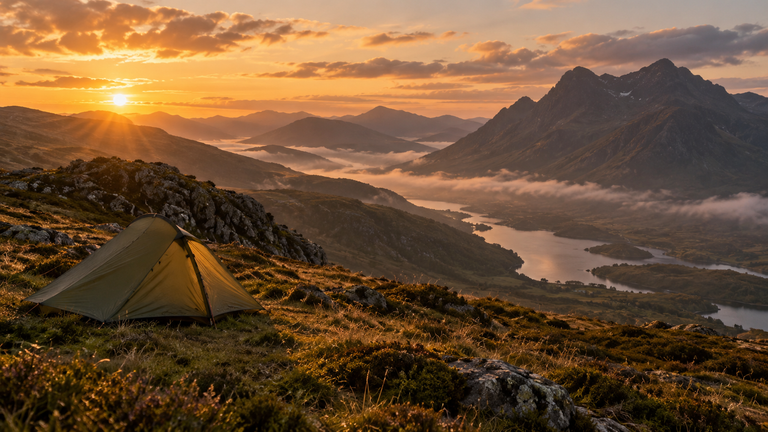
The physical characteristics of a site can make a real difference to your comfort. Look for reasonably flat, well-drained ground to guarantee a decent night’s sleep. Weigh up the balance of shade and sun — tree cover is welcome on a hot day, but too much can leave a pitch feeling damp in typical British weather. Natural windbreaks such as hedgerows or woodland edges offer protection from coastal gusts or chilly mountain winds, and it’s always worth factoring in the view: waking up to the Cumbrian fells or the Pembrokeshire coast is hard to beat.
Water Sources
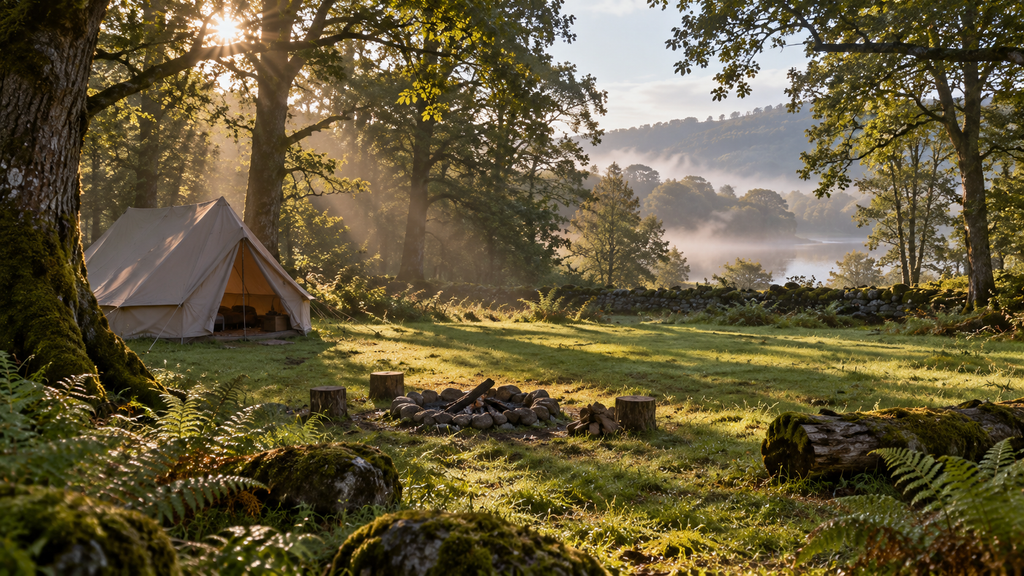
Access to water matters on any trip. Many UK campsites sit near lakes, rivers or streams, which is great for fishing or wild swimming, but always check water quality and safety before you go in. Established campsites almost always provide potable water on-site, but if you’re wild camping in Scotland — where it’s permitted across most unenclosed land — you’ll need a plan for sourcing and purifying your own water.
Wild Camping In The UK: What You Need To Know
Campsite Amenities
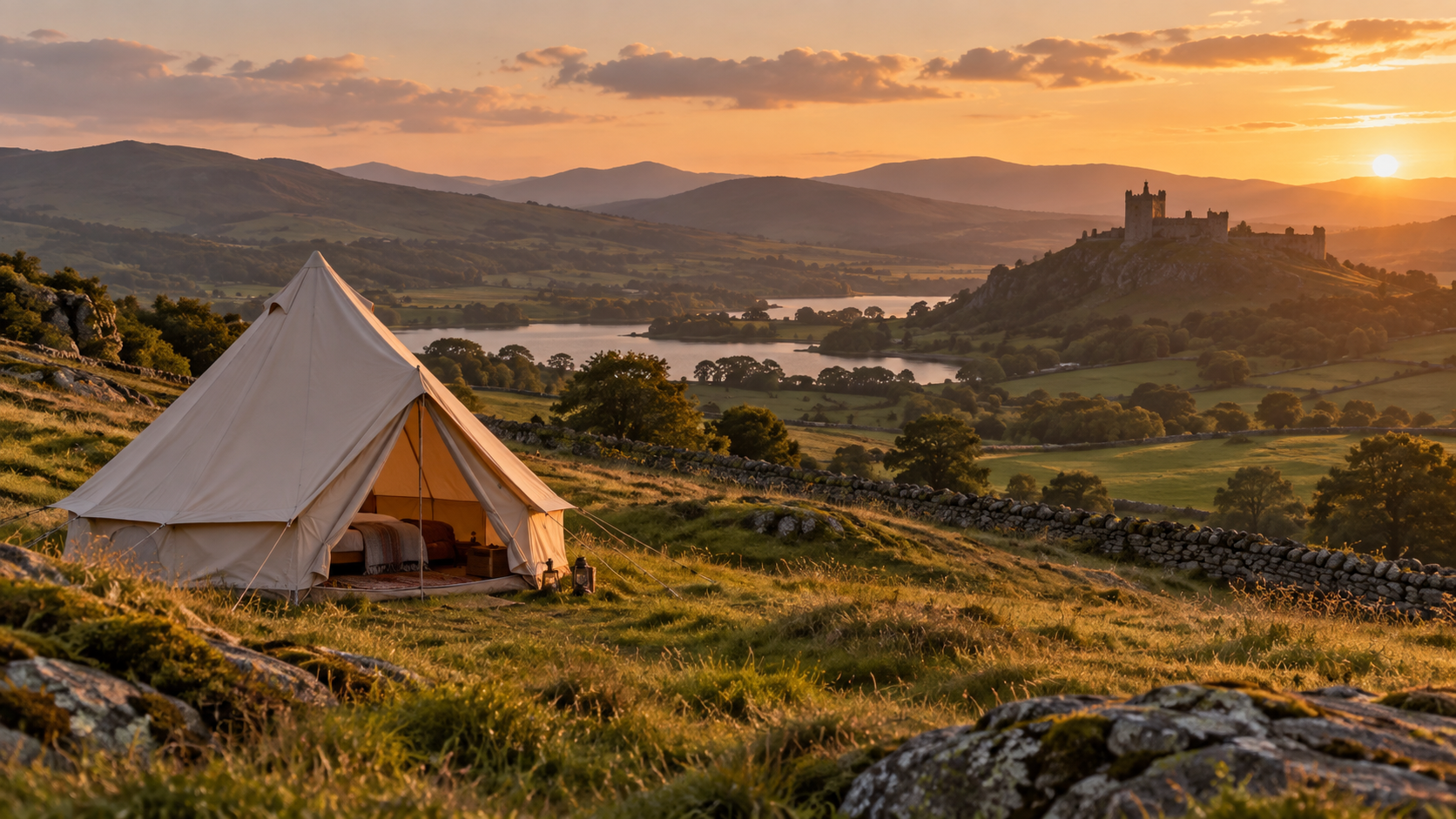
Amenities vary hugely across UK campsites. Some offer just the basics — a flat pitch and a fire pit — while others come with electric hookups, on-site shops and glamping options. Think honestly about what matters to your comfort: are you after a back-to-nature basic site, or somewhere with hot showers and a camp kitchen?
Glamping vs Camping: Which Is Right for You?
Privacy and Spacing
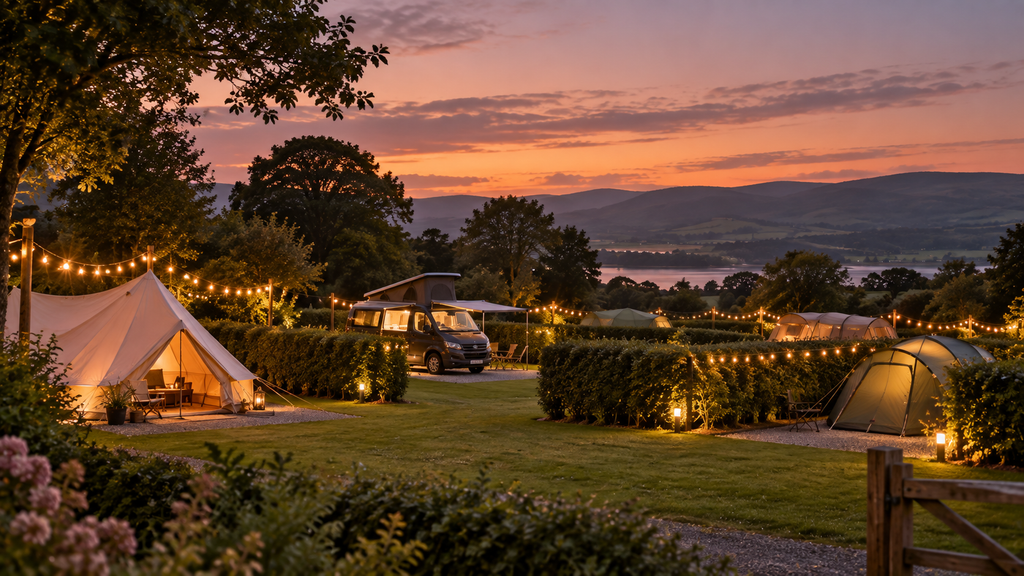
How much privacy you want should shape your choice too. Some campers love the social buzz of a busy site; others want solitude. Look at how pitches are laid out and whether natural barriers like hedges or trees sit between them. In popular spots such as the New Forest or the Isle of Skye, booking well ahead is often the only way to secure a more private pitch.
Safety Considerations
The UK has no large predators to worry about, but there are still practical safety factors worth checking. Watch for hazards like dead trees that could come down in high winds, and be cautious with coastal campsites during stormy weather. Check whether the area is prone to midges, particularly in Scotland over summer, and confirm mobile phone reception if you’re heading somewhere remote in Wales or Scotland.
Solo Camping UK: A Beginner’s Safety Guide
Regulations and Restrictions
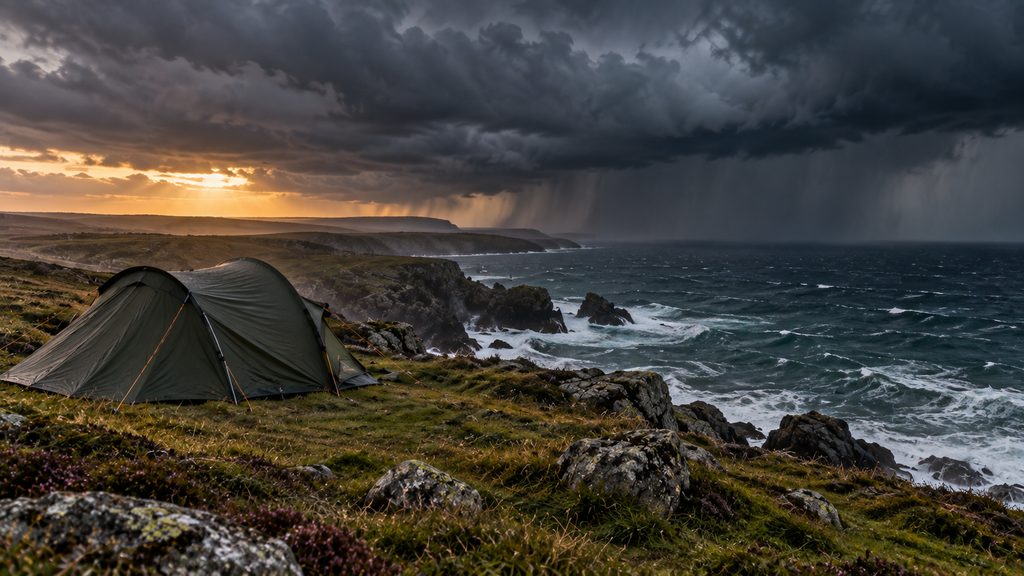
Get familiar with local rules before you pitch up. In England and Wales you generally need permission to camp on private land, while Scotland’s Land Reform Act allows wild camping across much of the unenclosed countryside. Most campsites also have their own policies on campfires, noise and pets — and some popular areas, such as parts of Dartmoor, have specific bylaws about exactly where you can camp.
Seasonal Factors
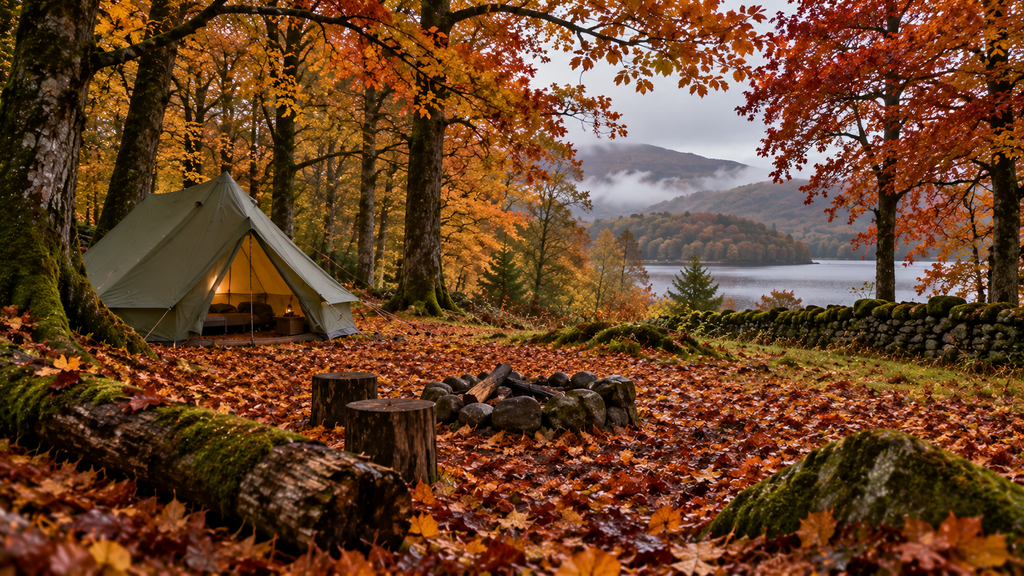
British weather is unpredictable, so let the season guide your choice. A sheltered woodland pitch can be ideal for autumn, while an exposed coastal spot suits a warm summer week — just come prepared for rain whatever the forecast says. Peak season is worth planning around too: areas like the Cornwall coast and the Lake District get busy fast during school holidays.
Personal Preferences and Needs
Finally, factor in the needs of your specific group. Camping with family and need activities for the kids nearby? Looking for a quiet spot for stargazing? Need room for a large tent or campervan? Your equipment and how far you want to “rough it” will shape the shortlist more than any single factor above.
Conclusion
Choosing the perfect UK campsite comes down to balancing location, terrain, amenities, safety and the season against what you and your group actually want from the trip. Whether that’s a remote wild camp in the Scottish Highlands or a family-friendly site in the heart of the Cotswolds, working through these factors first will set you up for a trip worth remembering.