Wild Camping in the UK: The Complete Legal Guide, Best Spots & Safety Tips
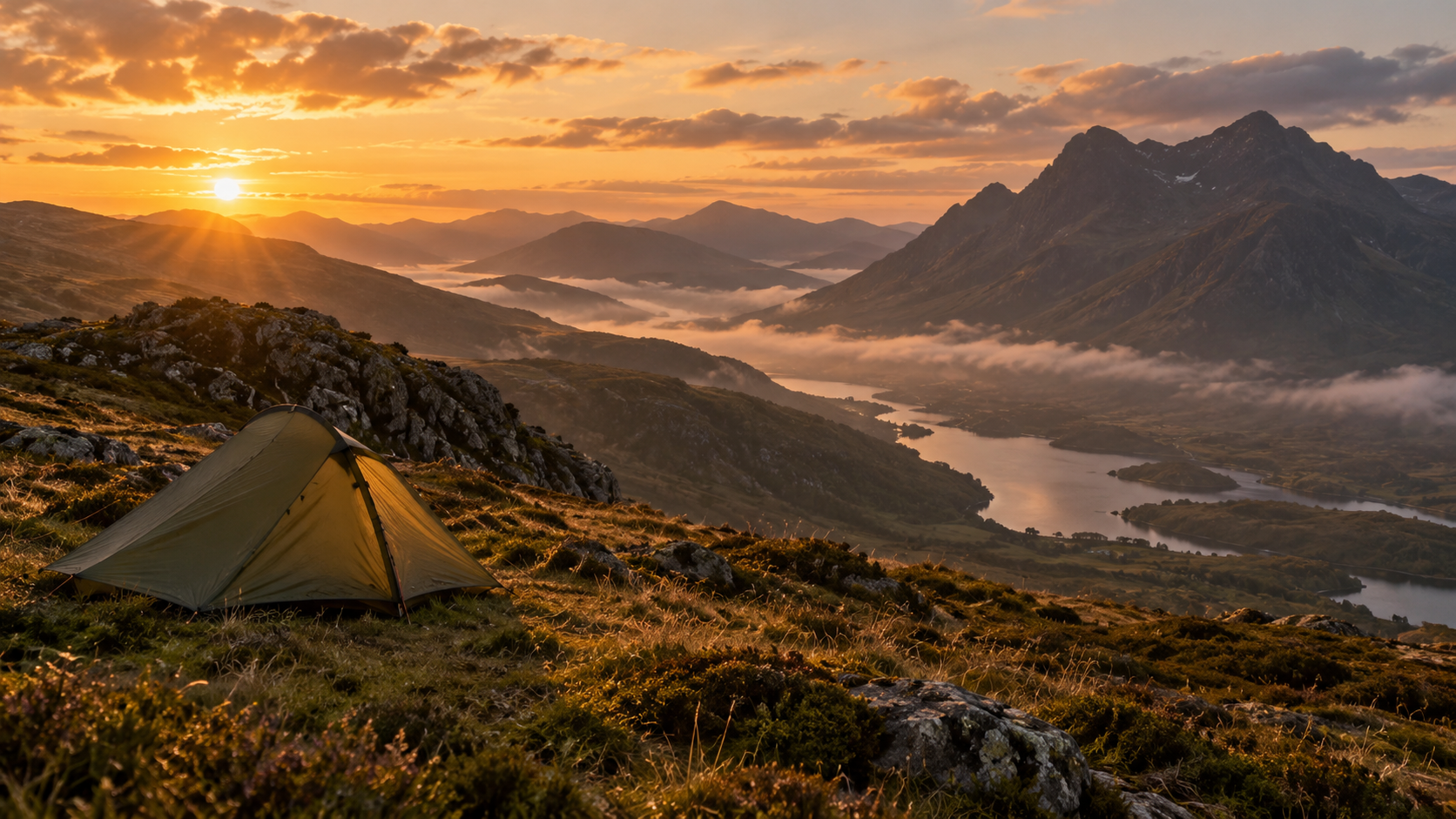
Wild camping is one of the most rewarding ways to experience the UK’s wild spaces — pitching a tent far from crowds, waking up beside a loch or under a ridge, and having a landscape almost entirely to yourself. But wild camping in the UK comes with legal quirks that trip up a lot of first-timers, and getting it wrong can mean an awkward conversation with a landowner (or worse). This guide covers exactly where it’s legal, what to pack, the best spots to try, and how to camp safely and responsibly.
What Is Wild Camping?
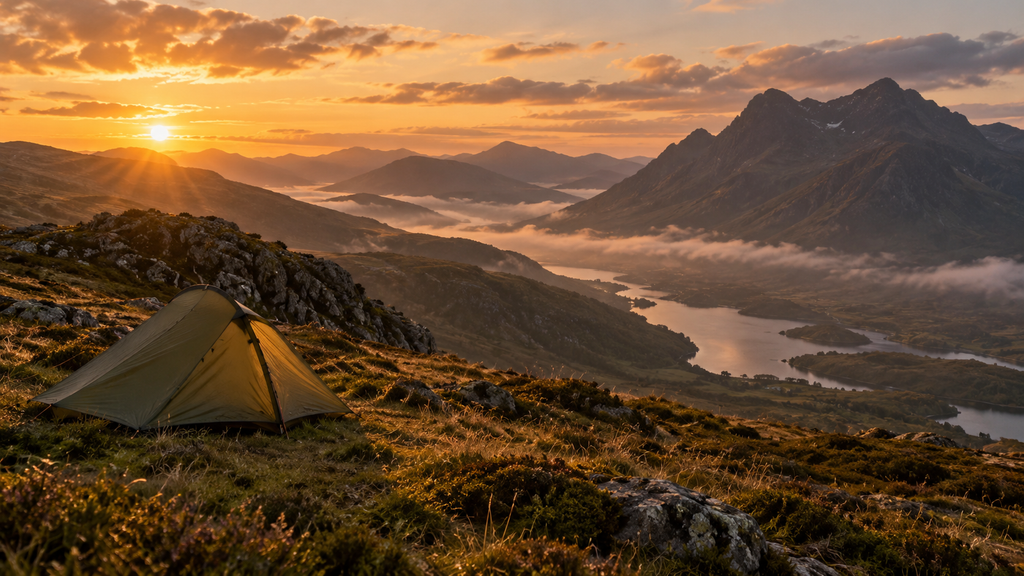
Wild camping means pitching outside of official, paid campsites — usually somewhere remote, away from roads and facilities, chosen for its scenery and solitude rather than convenience. It’s a different experience to a regular campsite stay: no showers, no pitch fees, no neighbours — just you, your gear, and the landscape.
The Complete UK Camping Guide: Everything You Need to Know
Is Wild Camping Legal in the UK?
This is the question that matters most, and the answer depends entirely on where you are.
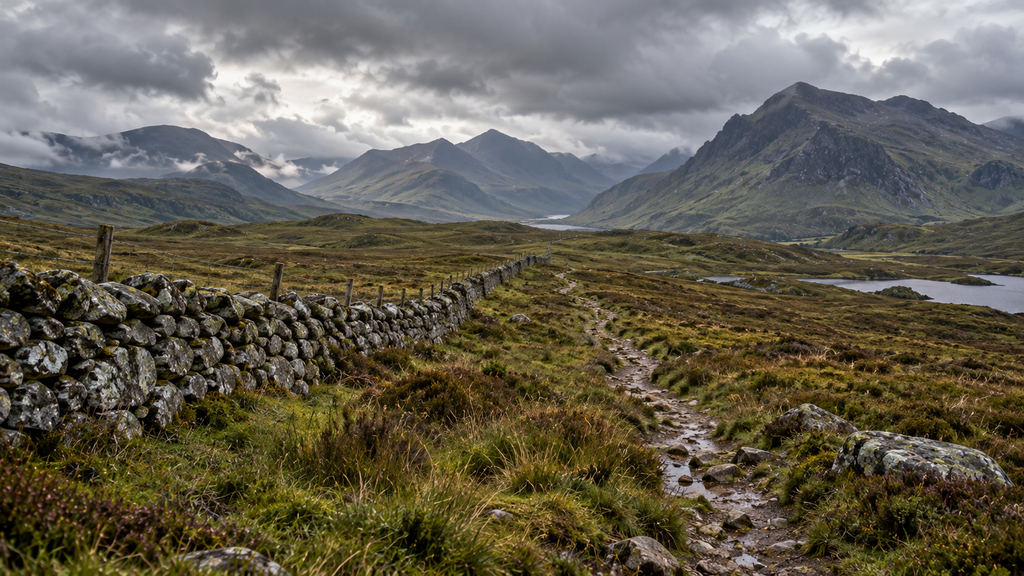
Scotland: Wild camping is broadly legal thanks to the Land Reform (Scotland) Act 2003, which gives people the right to camp on most unenclosed land. In return, campers are expected to follow the Scottish Outdoor Access Code — respecting private land near houses, leaving no trace, and camping well away from roads and buildings.
England, Wales & Northern Ireland: Here, wild camping technically requires the landowner’s permission. In practice it’s widely tolerated in remote upland areas, and Dartmoor is the one English national park with a long-standing legal right to wild camp in designated zones (following a well-publicised legal challenge in recent years). Outside of that, always seek permission where you can, camp discreetly, and be ready to move on if asked.
Essential Wild Camping Gear
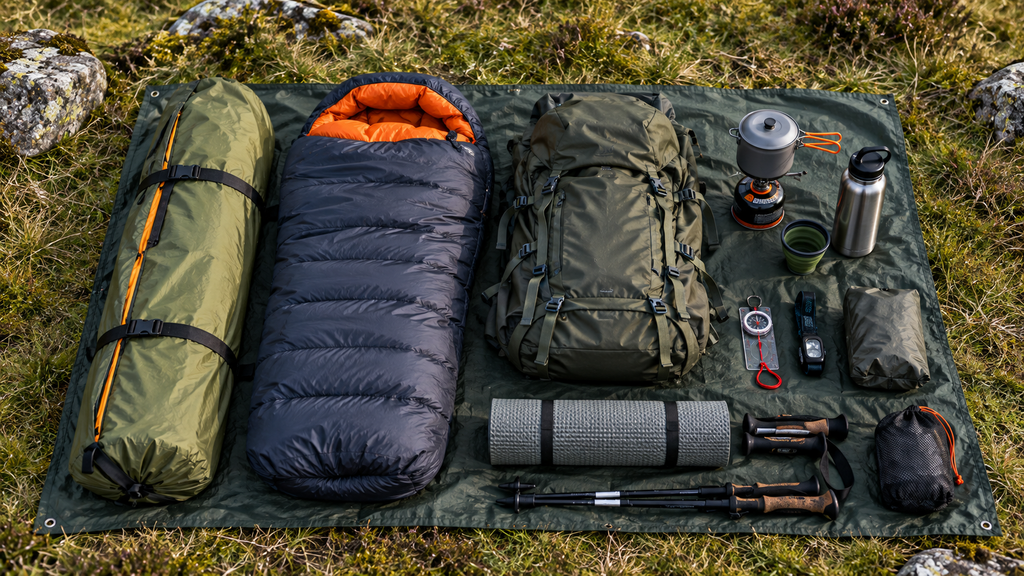
Packing right makes the difference between a magical night out and a miserable one. The essentials:
- Tent – lightweight, weatherproof, and quick to pitch
- Sleeping bag – rated for the season you’re camping in
- Sleeping mat – for insulation as much as comfort
- Backpack – comfortable enough to carry everything a reasonable distance
- Cooking kit – a portable stove, fuel, and lightweight pots
- Water purification – filter or tablets, since you won’t have a tap
- Layered clothing – British weather can turn fast
- Navigation – map, compass, and GPS backup
- First aid kit – stocked for minor injuries and emergencies
- Leave No Trace kit – rubbish bags and a trowel for waste
Best Wild Camping Spots in the UK
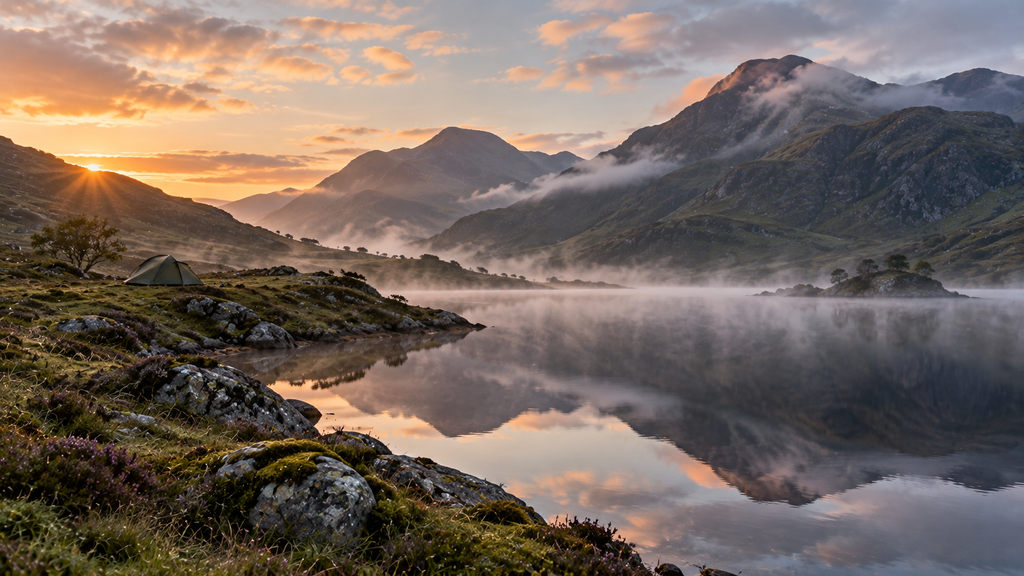
- Scotland: The Cairngorms, Loch Lomond, and the Trossachs
- England: Dartmoor National Park, the Lake District, and the Peak District
- Wales: Snowdonia National Park, the Brecon Beacons, and the Pembrokeshire Coast
- Northern Ireland: The Mourne Mountains and the Antrim Coast
Safety Tips for Wild Camping
- Plan your route and tell someone your expected return time
- Check the weather and prepare for sudden changes
- Pack enough food and water for the whole trip
- Know your limits — pick a spot that matches your fitness and experience
- Stay aware of wildlife and keep a respectful distance
- Carry basic first aid knowledge in case of emergencies
Solo Camping UK: A Beginner’s Safety Guide
Leave No Trace: Camping Responsibly
Wild camping only stays legal and welcome if campers respect the land they use. Follow these principles every time:
- Camp on durable ground and avoid fragile habitats
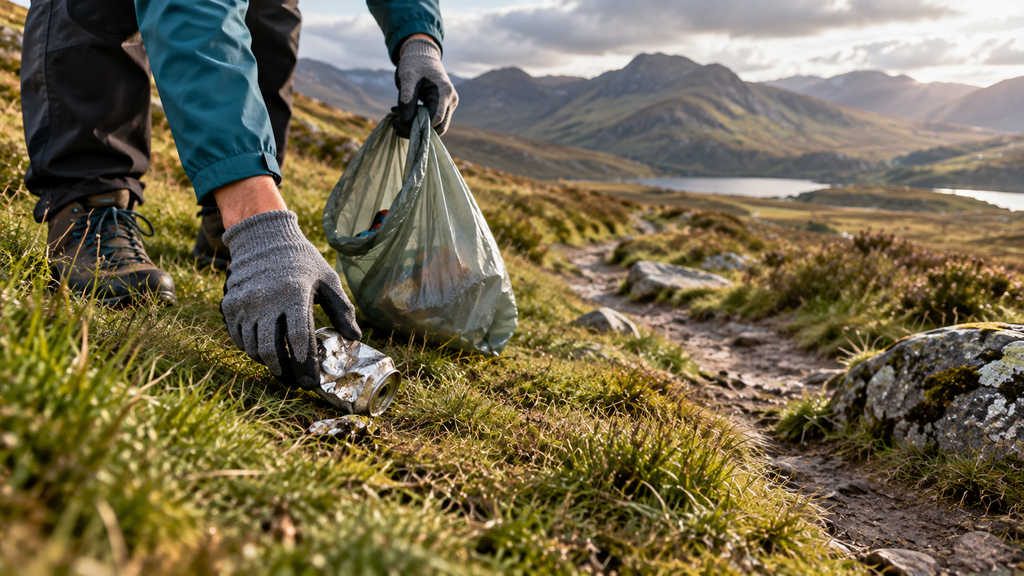
- Pack out all rubbish, and bury human waste properly with a trowel
- Leave natural features undisturbed
- Use a stove instead of an open fire wherever possible
- Keep a respectful distance from wildlife
- Keep noise and group size low-key
Final Thoughts
Wild camping in the UK offers a rare kind of freedom — waking up somewhere genuinely remote, with nothing between you and the landscape. Get the legalities right, pack properly, and follow Leave No Trace principles, and you’ll have one of the most memorable outdoor experiences the UK has to offer. Grab your gear, pick your region, and start planning your first (or next) wild camping trip.