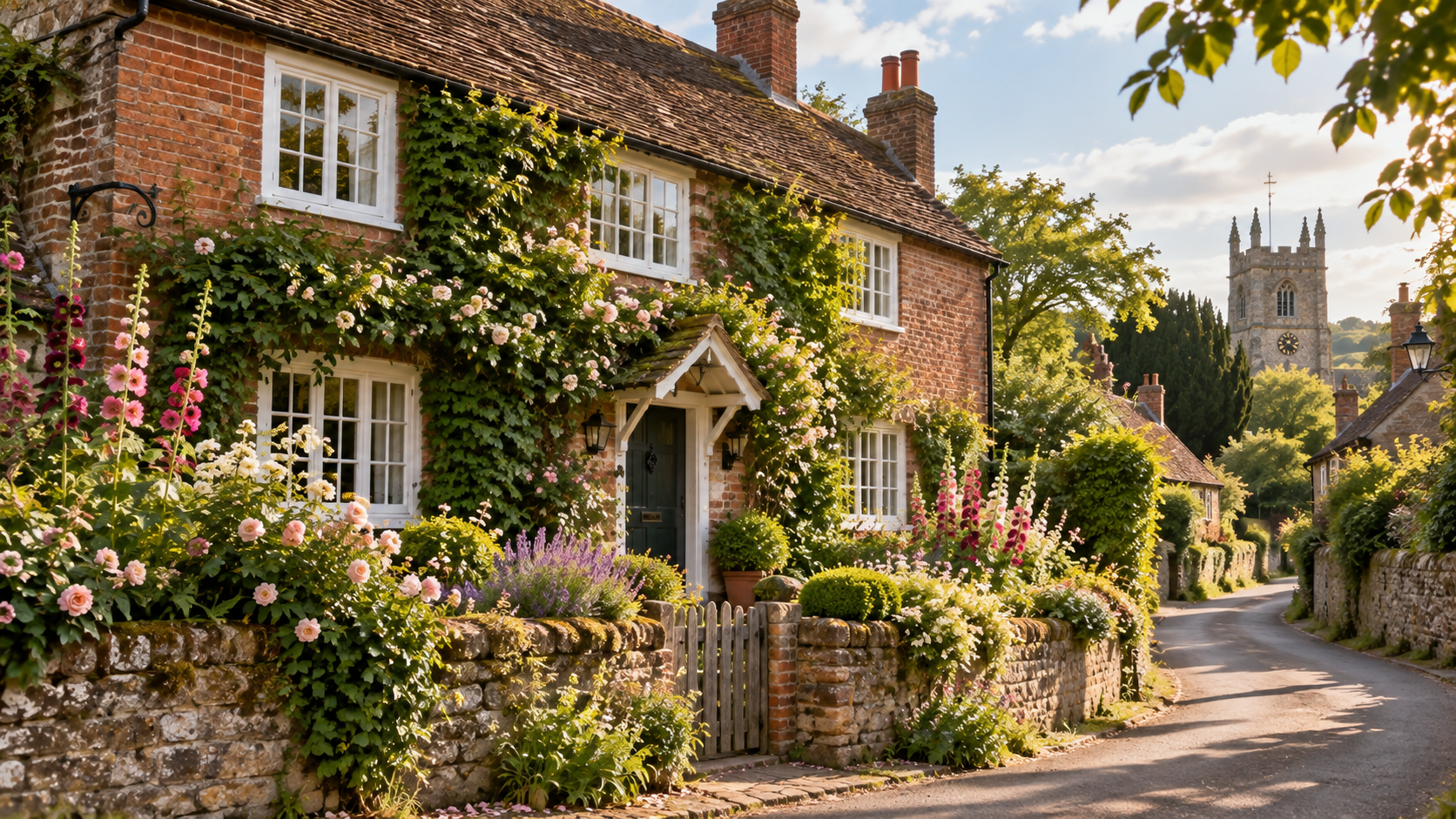
Jane Austen’s Hampshire – From Winchester Cathedral to Chawton
Hampshire’s rolling hills and historic villages didn’t just form the backdrop to Jane Austen’s life—they shaped her world and inspired her timeless novels. Today, following in her footsteps through this picturesque English county offers literature lovers a tangible connection to one of Britain’s most beloved authors.
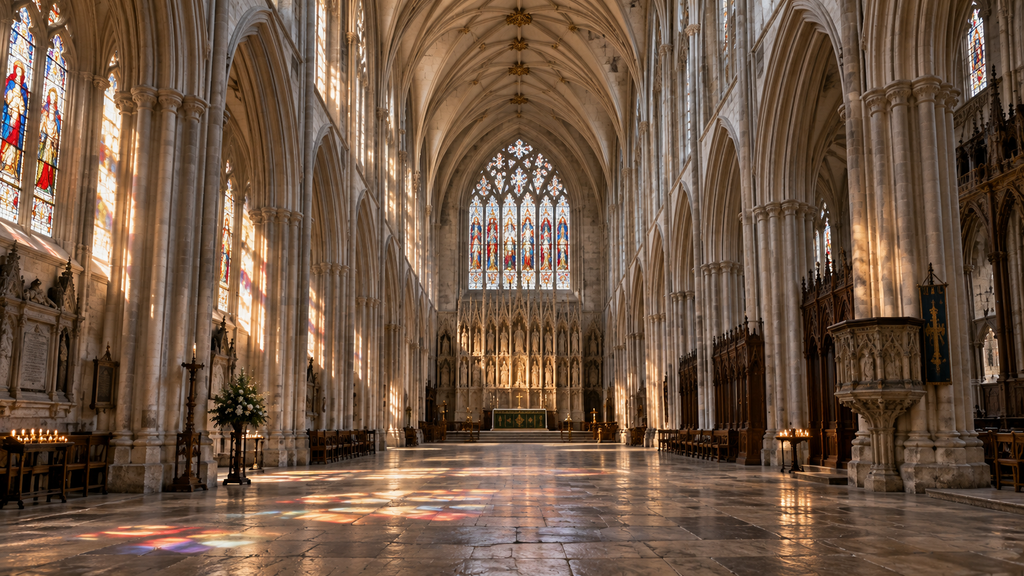
Winchester Cathedral: Her Final Resting Place
The magnificent Winchester Cathedral stands as both a masterpiece of medieval architecture and the final resting place of Jane Austen. The simplicity of her grave marker contrasts sharply with the grandeur of her literary legacy. The brass plaque on the wall, added in 1872, finally acknowledges what her modest gravestone does not—her remarkable contribution to English literature.
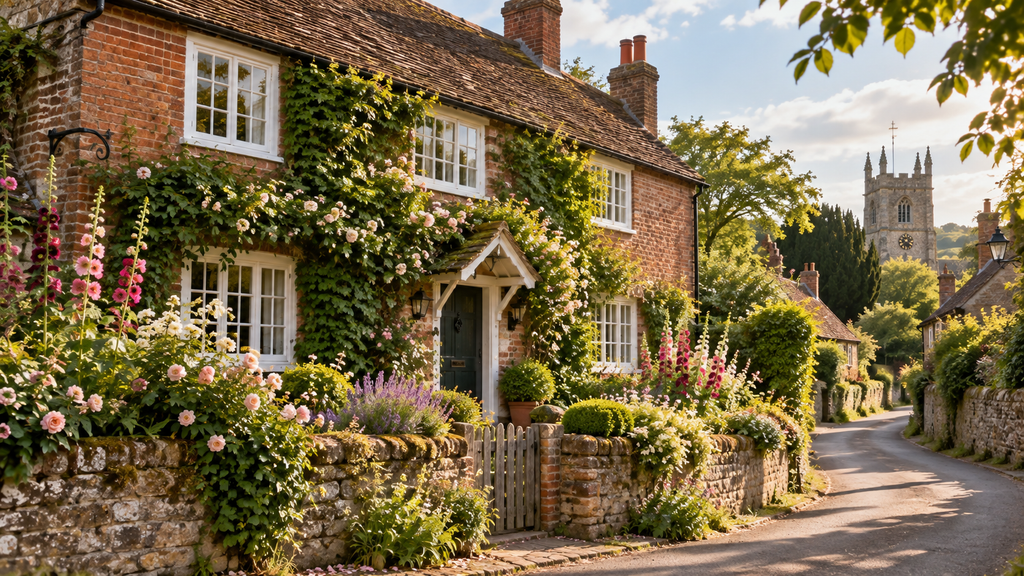
Chawton: The Home of Literary Genius
In the quaint village of Chawton stands a red brick cottage where Austen spent her most productive years. Now the Jane Austen’s House Museum, this 17th-century house was where she revised “Pride and Prejudice,” “Sense and Sensibility,” and wrote “Emma,” “Mansfield Park,” and “Persuasion.” The creaking floorboards, the small round table where she wrote, and the garden where she tended her flowers all remain virtually unchanged since her time.
The museum houses precious artifacts—her writing desk, pieces of jewelry, and the patchwork quilt she made with her mother and sister. These intimate possessions offer visitors a glimpse into the daily life of a woman who balanced domestic duties with literary genius.
The Wider Hampshire Landscape
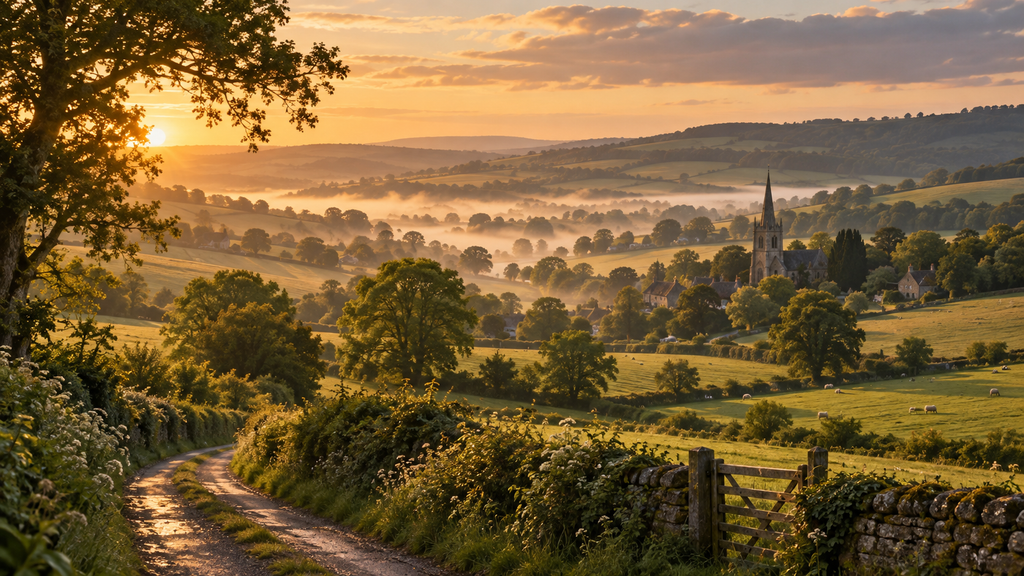
The Hampshire countryside that Austen knew remains surprisingly preserved. The lanes she walked, the churches she attended, and the grand houses she visited continue to evoke the world of her novels. Steventon, where she was born and raised, may have lost its parsonage, but the church where her father preached still stands, its ancient yews as old as her earliest memories.
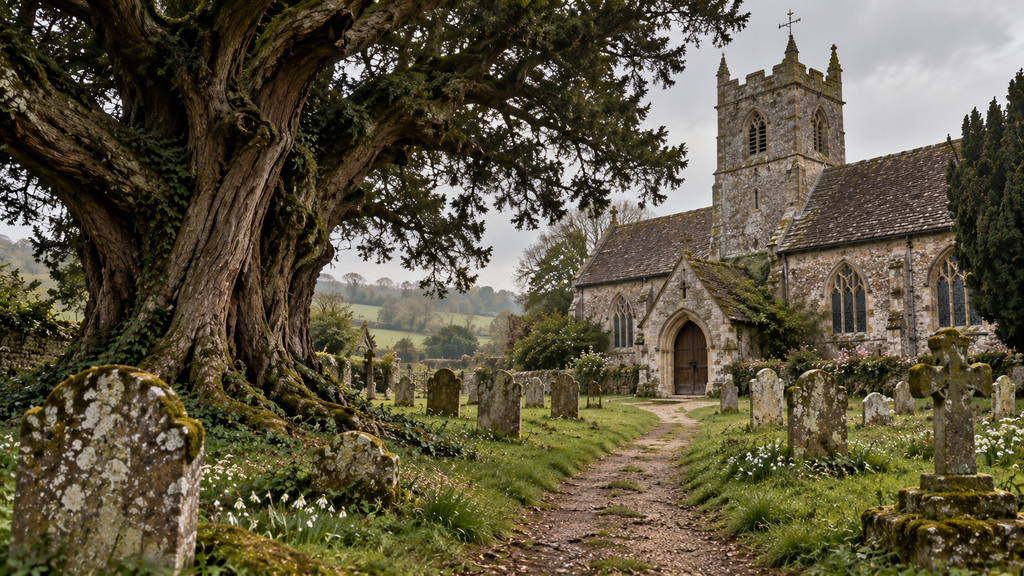
Notable Places to Visit:
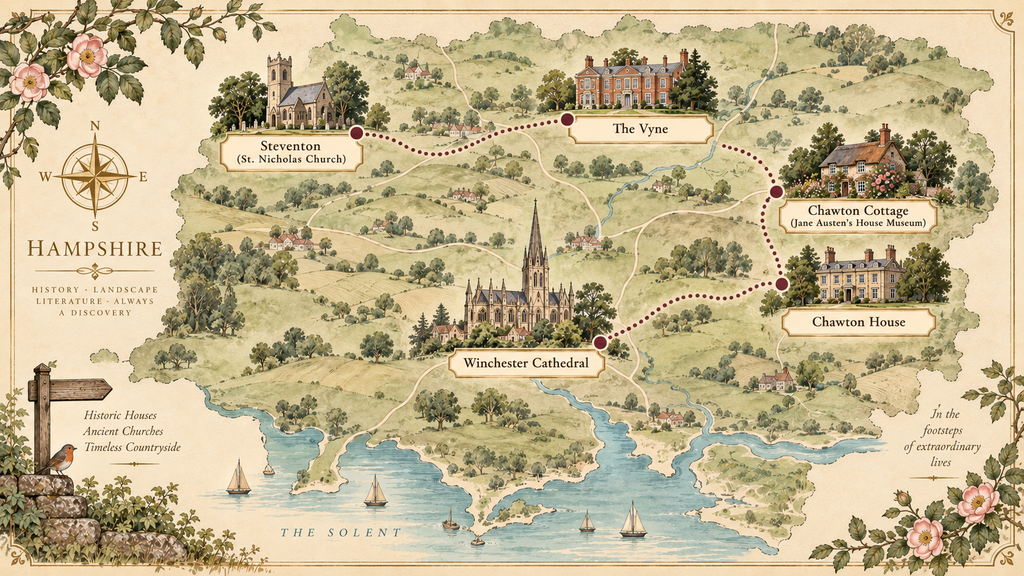
- Chawton Great House: Now the Chawton House Library, this mansion belonged to Austen’s brother Edward and houses a unique collection of early women’s writing
- The Vyne: A Tudor mansion Austen visited for local balls and social gatherings
- St. Nicholas Church: The Steventon church where her father was rector
- Winchester College: The oldest continuously running school in England, part of the landscape Austen knew well
Walking in Jane’s Footsteps
Modern visitors can follow several well-marked walking trails that connect these Austen sites. The Jane Austen Trail winds through Winchester, passing places she knew in her final months. In Chawton, the Jane Austen Circular Walk takes in both the cottage and Chawton House, offering views of the countryside that would have been familiar to the author.
The Living Legacy
Hampshire’s Austen connections aren’t merely preserved in museums—they continue to inspire new generations. Annual festivals, reading groups, and writing workshops keep her spirit alive. The county’s dedication to maintaining these historic sites ensures that future readers can experience the physical world that shaped Austen’s literary one.
Planning Your Visit
The best time to visit is between April and October when the gardens are in full bloom and walking conditions are optimal. Winchester and Chawton are easily accessible by train and bus from London, though having a car allows for a more comprehensive exploration of Austen’s Hampshire.
Hampshire offers more than just a literary pilgrimage—it provides an immersive journey into the world that shaped one of literature’s most enduring voices. Whether you’re a dedicated Janeite or simply curious about literary history, following Austen’s path through Hampshire brings her words, her world, and her enduring legacy to life.
More from Campsites and Castles: