Royal Residences: Castles Still Used by the British Monarchy
The British monarchy’s historic castles aren’t merely tourist attractions or relics of a bygone era—many continue to serve as working royal residences, combining centuries of tradition with modern-day function. Here’s an exploration of the most significant castles that maintain their royal connections today.
Windsor Castle: The World’s Oldest Inhabited Castle
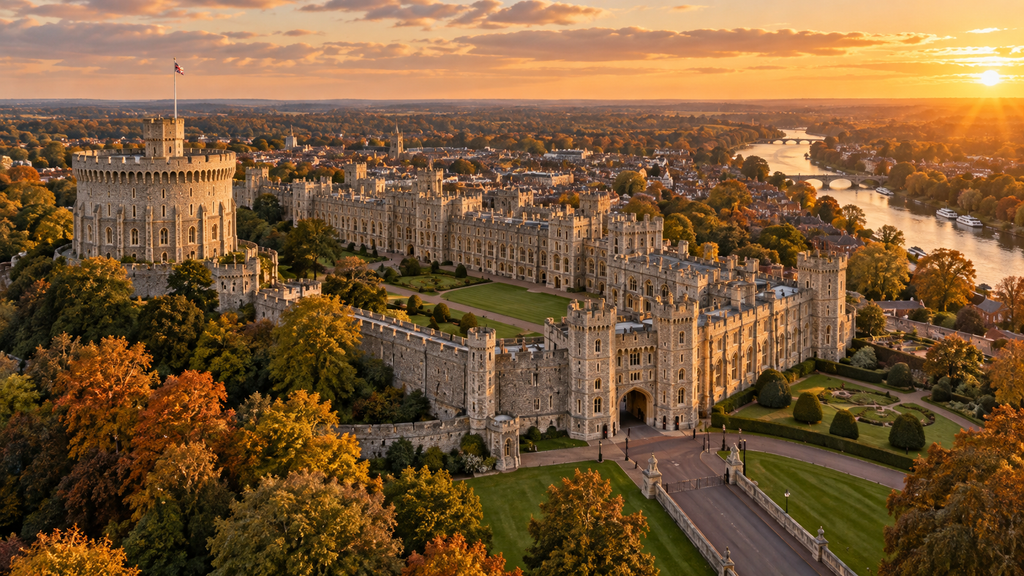
Standing proudly for nearly 1,000 years, Windsor Castle remains the largest inhabited castle globally and a favorite weekend retreat for the Royal Family. Originally built by William the Conqueror in the 11th century, this magnificent fortress has undergone numerous renovations while maintaining its core architectural integrity.
The castle serves multiple purposes:
- Official residence of the monarch
- Venue for state visits and royal ceremonies
- Home to St. George’s Chapel, site of royal weddings and services
- Location of the famous Changing of the Guard ceremony
Following the passing of Queen Elizabeth II, Windsor Castle has taken on even greater significance, as King Charles III continues many of the traditions established by his mother.
Balmoral Castle: The Scottish Highland Retreat
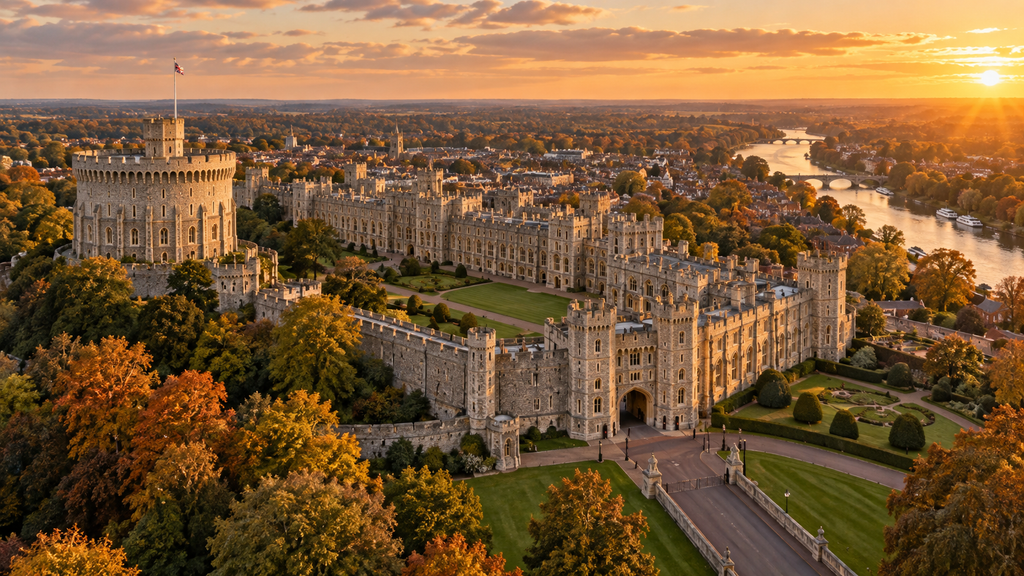
Nestled in Royal Deeside, Aberdeenshire, Balmoral Castle represents the Royal Family’s private Scottish home. Purchased by Prince Albert for Queen Victoria in 1852, this baronial estate has been the summer residence of British monarchs ever since.
Unlike other royal properties, Balmoral is privately owned by the Royal Family rather than being part of the Crown Estate. The castle’s 50,000-acre estate features:
- Extensive gardens and grounds
- Working estate with forestry and farming
- Grouse moors and deer stalking areas
- Several smaller properties and cottages
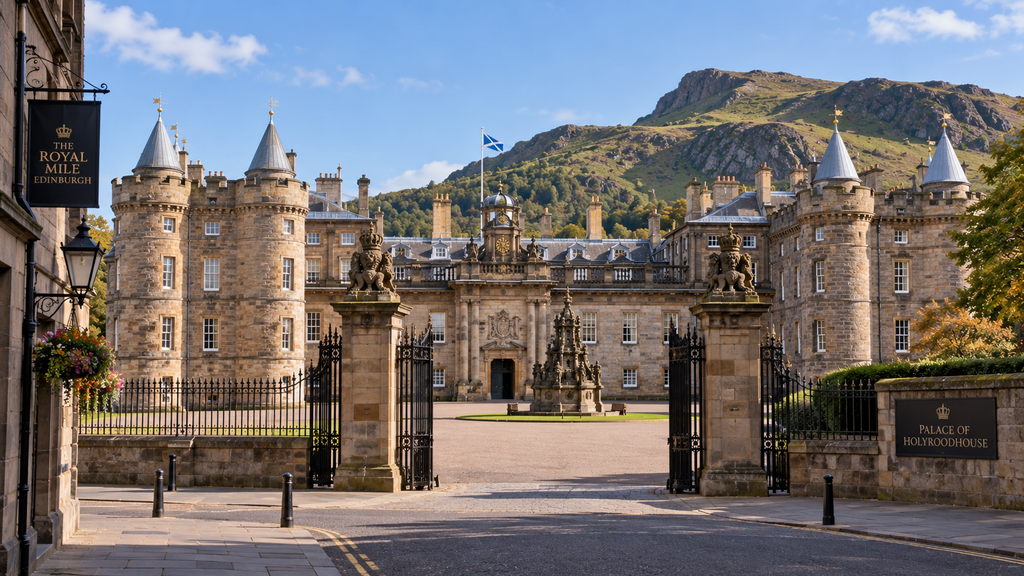
Palace of Holyroodhouse: The Official Scottish Residence
Located at the end of Edinburgh’s Royal Mile, the Palace of Holyroodhouse serves as the monarch’s official residence in Scotland. While not technically a castle, this historic palace maintains many castellated features and royal functions:
- Hosting official ceremonies and events during Holyrood Week
- Welcoming dignitaries and hosting state visits
- Housing important art collections and historic artifacts
- Maintaining connections to Scottish royal history
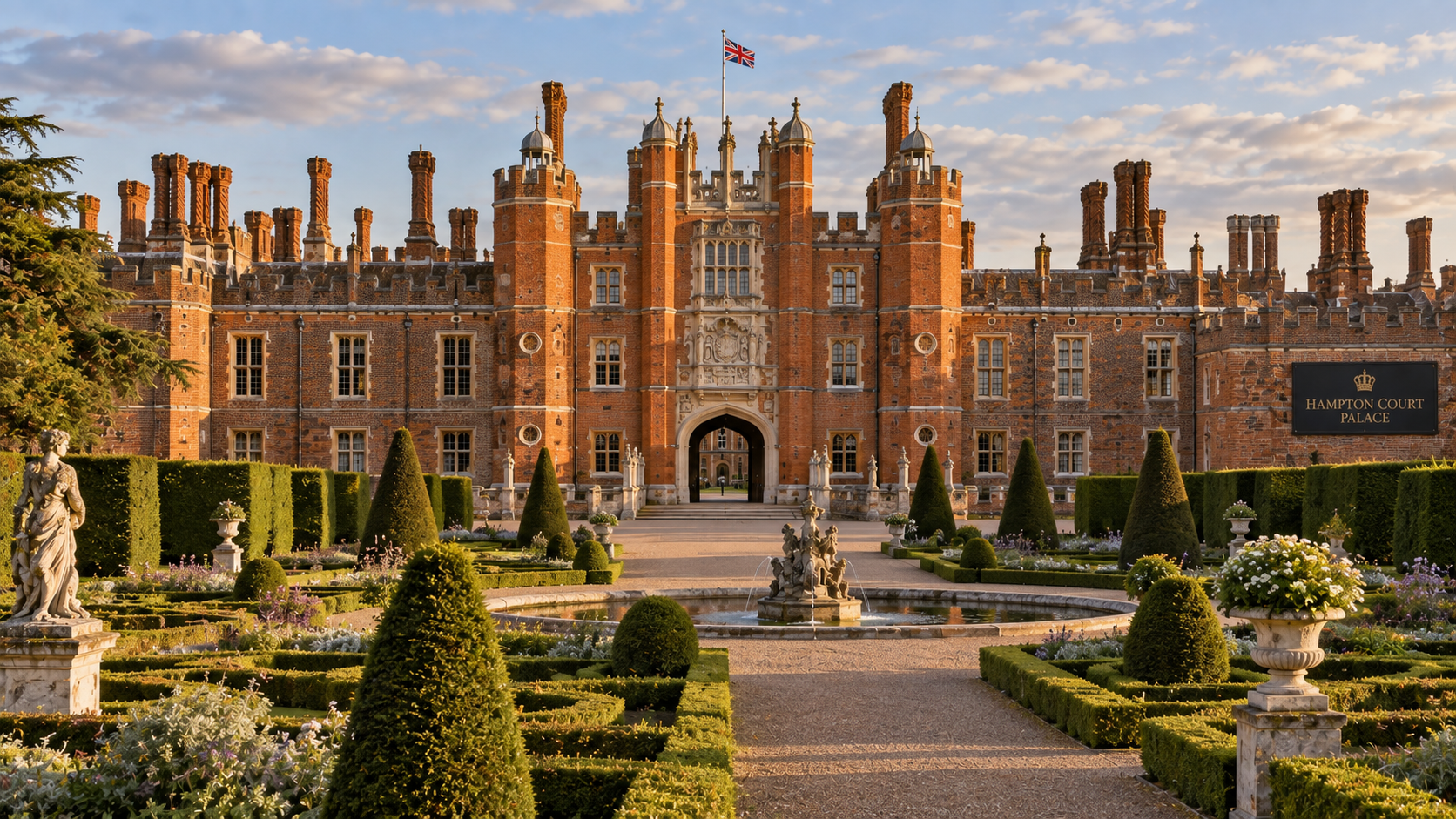
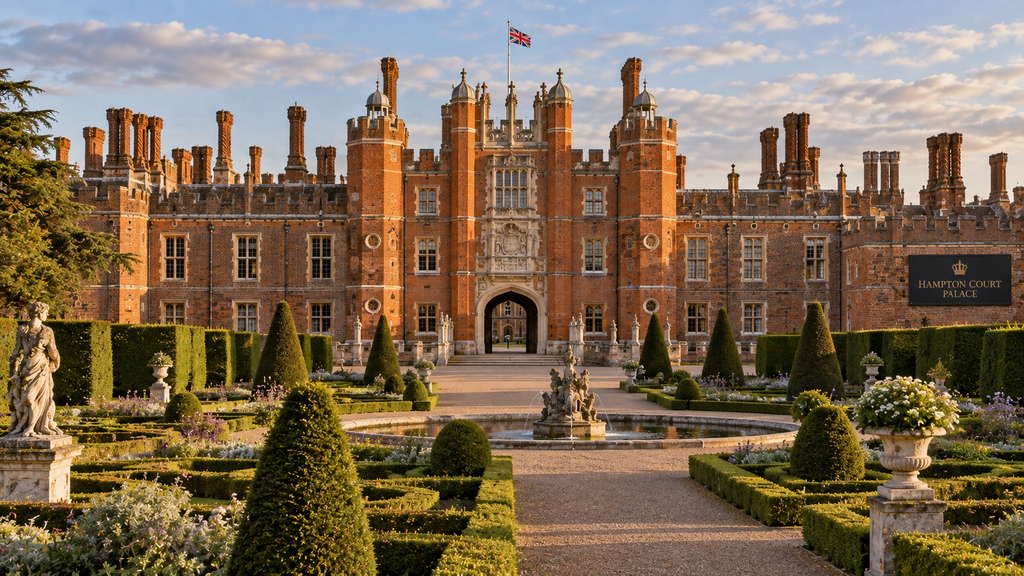
Hampton Court Palace: A Tudor Legacy
Though no longer used as a primary residence, Hampton Court Palace retains its royal connection through special events and ceremonies. This Tudor masterpiece, famously associated with Henry VIII, continues to:
- Host royal garden parties
- House important art collections
- Maintain historic royal apartments
- Preserve centuries of royal history
The Future of Royal Castles
Under King Charles III’s reign, these historic properties are adapting to modern times while preserving their heritage. Recent initiatives include:
- Sustainable energy installations at Windsor Castle
- Public access programs balancing tourism with royal privacy
- Conservation projects ensuring structural preservation
- Digital documentation of historic collections
The British Royal Family’s continued use of these ancient castles demonstrates a remarkable balance between preserving history and maintaining functional royal residences. As these properties evolve to meet contemporary needs, they remain powerful symbols of the monarchy’s enduring presence in British life.
Each castle tells its own story of British royal history while writing new chapters in the modern era. Through careful stewardship and adaptive use, these magnificent structures continue to serve both the Crown and the public interest, ensuring their relevance for generations to come.
More from Campsites and Castles: