The Most Haunted Castles in the UK
There’s something about a ruined tower at dusk that makes even the most sceptical camper glance twice over their shoulder. The UK’s castles have stood for centuries through sieges, executions, plagues, and family betrayals — and if even half the stories are true, quite a few of their former residents never really left.
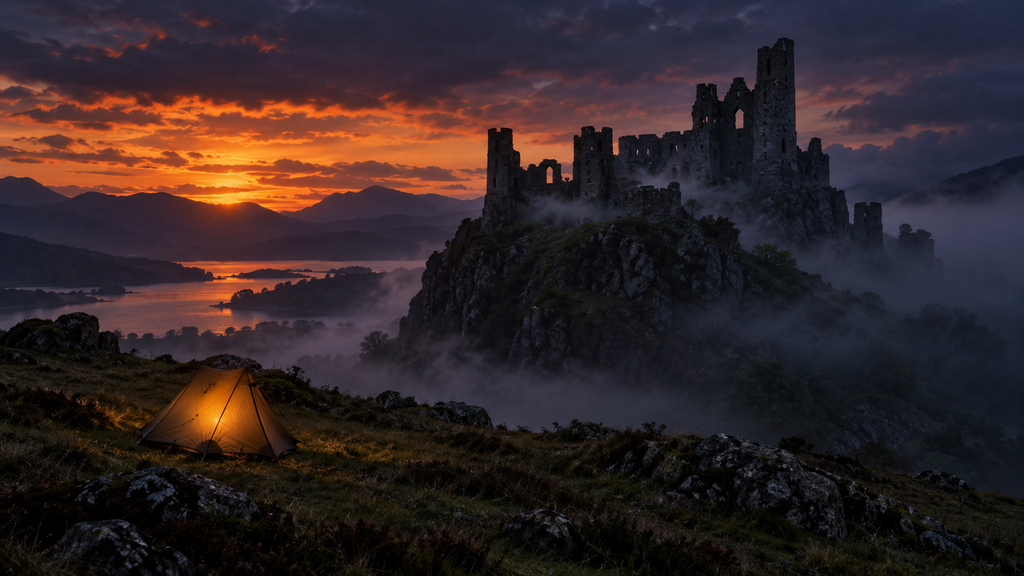
If you’re planning a camping trip around Britain’s historic sites, a handful of these castles are famous for more than their architecture. Here are the most haunted castles in the UK, why they’ve earned their reputation, and where you can pitch a tent nearby if you’re brave enough to stay the night close by.
1. Edinburgh Castle, Scotland
Perched on its volcanic crag above the city, Edinburgh Castle is regularly named the most haunted castle in Scotland — and with over 1,100 years of history packed into its walls, it’s not hard to see why. Visitors and staff have long reported a phantom piper who is said to have entered a tunnel beneath the castle and never emerged, along with a headless drummer supposedly linked to warnings of attack, and the anguished cries of prisoners once held in the castle vaults.
The vaults themselves are the real draw for ghost hunters. Used to hold prisoners of war during the 18th and 19th centuries, they’re damp, dark, and — according to many paranormal investigations conducted there — home to genuinely unsettling cold spots and unexplained scratching sounds.
Nearby camping: Edinburgh doesn’t offer wild camping within the city, but sites within a 20–30 minute drive, such as those near the Pentland Hills, make a good base for exploring the Royal Mile after dark.
2. Glamis Castle, Angus
Glamis Castle is the childhood home of the late Queen Elizabeth The Queen Mother and is steeped in centuries of royal Scottish history — and legend. The most famous story attached to Glamis is that of a secret room, said to be sealed off entirely, where a monstrous or deformed member of the family was allegedly hidden away for life. Nobody today can say exactly where the room is, which only adds to its mythology.
The castle is also linked to a “Grey Lady” believed to be the ghost of Lady Glamis, who was burned at the stake in 1537 on charges of witchcraft that most historians now consider to have been fabricated for political reasons.
Nearby camping: Angus and the surrounding Angus Glens offer several countryside campsites within easy reach, ideal for pairing with a day exploring Glamis and nearby Dunnottar Castle.
3. Chillingham Castle, Northumberland
Often billed as England’s most haunted castle, Chillingham has a genuinely brutal history — it was used as a torture chamber and prison during medieval conflicts between England and Scotland. The most famous resident spirit is the “Blue Boy,” a child said to have been walled up alive within the castle, whose cries are reportedly still heard from the Pink Room late at night.
Chillingham also runs organised ghost tours and overnight stays for visitors who want to test their nerve, making it one of the most accessible haunted castles in the UK for a proper paranormal experience rather than just a daytime visit.
Nearby camping: Northumberland is one of the best regions in England for combining castles with camping — sites near Wooler and the Cheviot Hills put you within striking distance of Chillingham, Bamburgh, and Alnwick Castle.
4. Berry Pomeroy Castle, Devon
Tucked into woodland in South Devon, Berry Pomeroy is a genuinely atmospheric ruin even without the ghost stories. Two spirits are most commonly reported here: the “White Lady,” said to be the spirit of a woman imprisoned in the dungeons by her own sister out of jealousy, and the “Blue Lady,” who reportedly haunts the tower where a baby was said to have died under tragic circumstances.
English Heritage manages the site, and paranormal investigators have named it one of the most active locations in the South West for reported activity.
Nearby camping: The South Hams area around Totnes has a good spread of campsites, making Berry Pomeroy an easy add-on to a wider Devon heritage itinerary.
5. Dunnottar Castle, Aberdeenshire
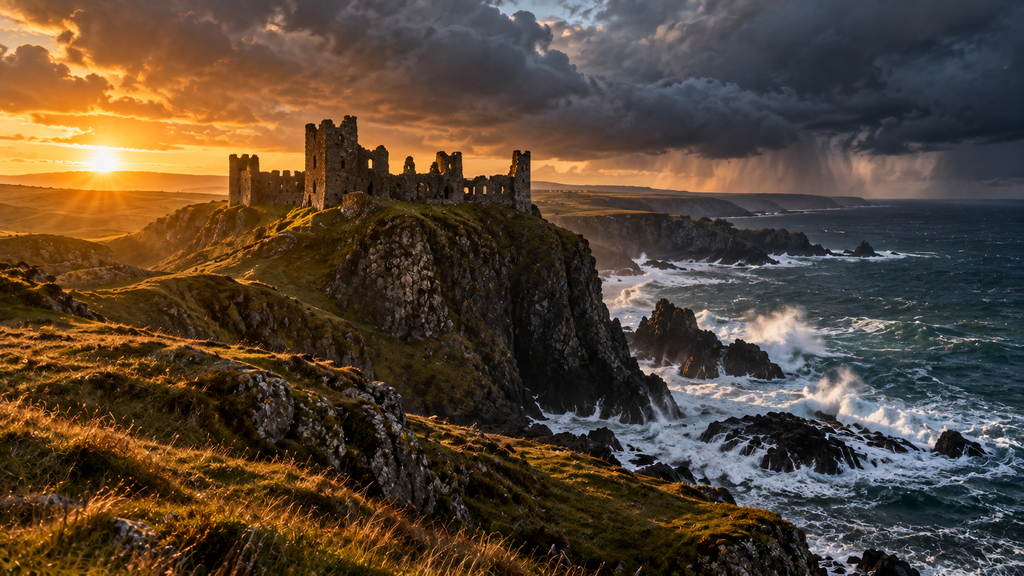
Dramatically set on a cliff-top overlooking the North Sea, Dunnottar’s ruined state only adds to its eerie reputation. The castle withstood a famous siege in the 17th century, and the dungeons where Covenanter prisoners were held in appalling conditions are said to still carry the weight of that suffering. Visitors have reported unexplained voices and a sense of being watched, particularly near the old chapel ruins.
Nearby camping: Stonehaven, just a short drive away, has excellent coastal campsites and makes a great overnight base for an early-morning visit before the day-trip crowds arrive.
6. The Tower of London
Technically a fortress rather than a castle in the traditional sense, the Tower of London earns its place on any UK haunted-sites list. The ghost of Anne Boleyn, executed within its walls in 1536, is said to walk the grounds carrying her own head, while the “Princes in the Tower” — the young sons of Edward IV who disappeared in 1483 — are also linked to unexplained sightings.
Yeoman Warders (the Tower’s famous “Beefeaters”) have reported strange occurrences for centuries, and the Tower remains one of the most consistently reported haunted locations in the country.
Nearby camping: True camping options are limited this close to central London, but Lee Valley on the city’s northern edge offers a practical base for a heritage-focused London weekend.
7. Muncaster Castle, Cumbria
Muncaster, on the edge of the Lake District, has been repeatedly investigated by paranormal television programmes and is often ranked among Britain’s most haunted homes. The castle’s “Tapestry Room” is the epicentre of most reports, linked to the ghost of a jester named Tom Fool, whose cruel sense of humour is said to still occasionally unsettle overnight guests.
Nearby camping: The Lake District’s western fringe, around Eskdale and Ravenglass, has some genuinely beautiful, quieter campsites — a good contrast to the busier eastern lakes.
Planning a Haunted Castle Camping Trip
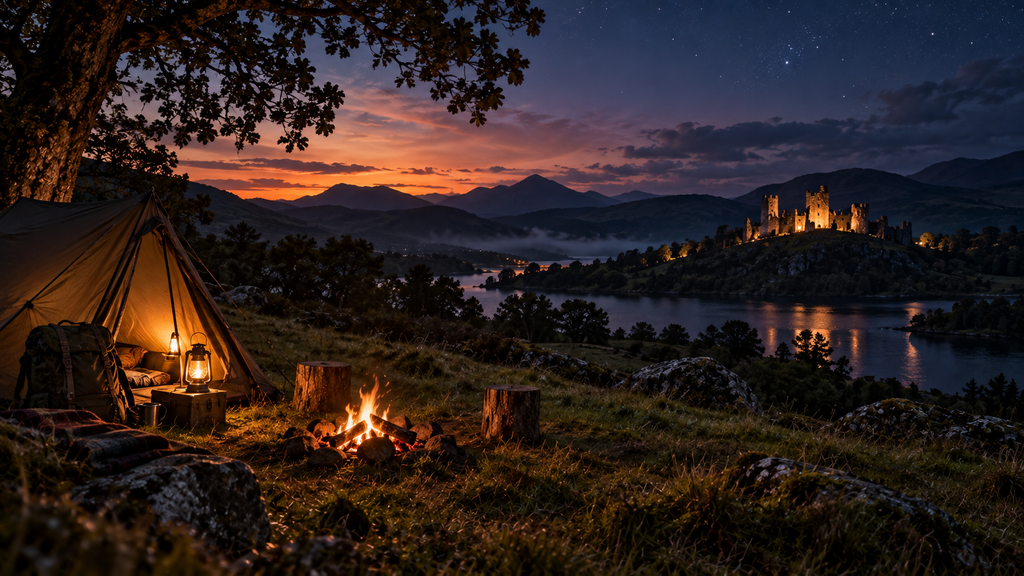
Most of these castles sit in genuinely stunning countryside, which means a haunted-castle trip doubles up nicely as a regular camping holiday — you just get the added thrill of a torchlit walk around the ruins after dark. A few tips if you’re planning your own tour:
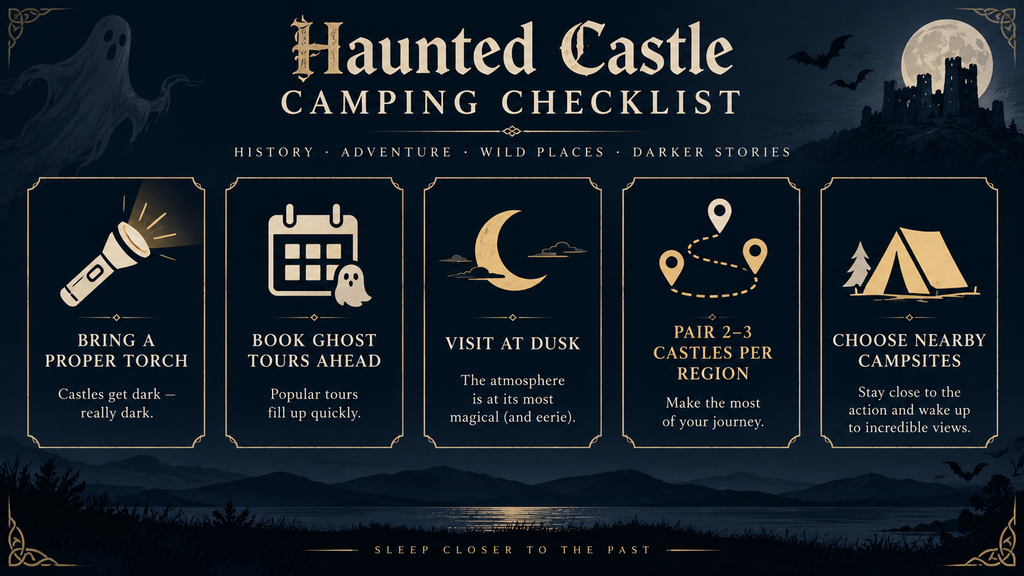
- Book ahead for ghost tours and overnight stays at sites like Chillingham, which run limited seasonal events.
- Visit at dusk if you can — many of these castles are far more atmospheric in low light, and some managed sites offer late openings around Halloween.
- Pair two or three castles in one region rather than trying to cover the whole list — Northumberland and Aberdeenshire both offer several haunted sites within a short drive of each other.
- Bring a proper torch, not just your phone — several of these sites (Berry Pomeroy and Dunnottar especially) have uneven, unlit ground after dark.
Final Thoughts
Whether or not you believe in ghosts, the UK’s most haunted castles share one thing in common: a history dramatic enough to make the stories believable. From Edinburgh’s phantom piper to the Blue Boy of Chillingham, these sites offer something a standard museum visit can’t — a genuine shiver, and a story worth telling around the campfire afterwards.
If you’re planning a trip, check out our companion guide to campsites near UK castles for practical pitching recommendations near each of these locations.