Royal Castles of England: The Full Guide
The royal castles of England are where the country’s story was written. Kings were crowned, imprisoned and murdered inside their walls. Queens were courted, crowned and beheaded. Some still fly the Royal Standard today, while others are glorious ruins you can wander with a flask of tea and a picnic blanket.
I’ve pulled together this full guide to the royal castles of England so you can plan your own route through a thousand years of crowns, sieges and scandal. You’ll find what makes a castle “royal”, which ones still belong to the King, the great historic fortresses that shaped the monarchy, and — because this is Campsites and Castles — where to pitch a tent nearby.
In this guide:
- What makes a castle royal?
- Royal castles still in royal hands
- The great historic royal castles of England
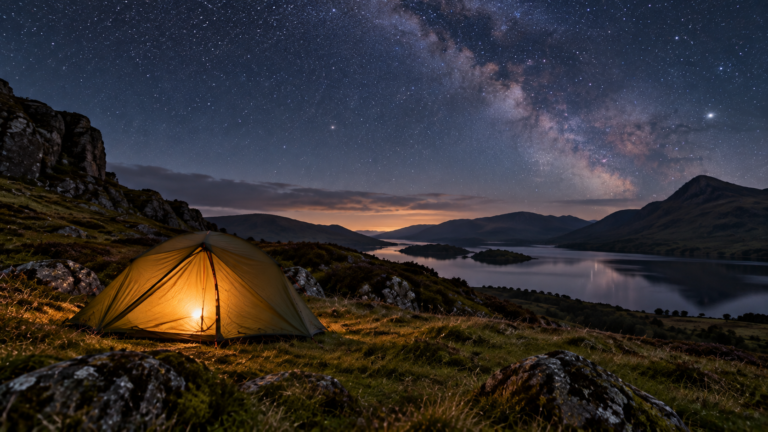
- Camping near England’s royal castles
- Tips for visiting, plus FAQs
What makes a castle “royal”?
A royal castle is one built, held or garrisoned by the Crown rather than by a private lord. After the Norman Conquest of 1066, William the Conqueror raised castles across England to control his new kingdom. The most strategic ones — guarding ports, river crossings and county towns — stayed in royal hands and were run by a constable appointed by the king.
Today the word covers three kinds of castle:
- Working royal castles — still used by the monarchy, like Windsor Castle.
- Crown-owned castles — owned by the King but run as visitor attractions, like the Tower of London and Lancaster Castle.
- Historic royal castles — once royal strongholds, now cared for by English Heritage, the National Trust or local councils, like Dover, Kenilworth and Corfe.
All three are worth a visit, and together they tell the story of the English crown from 1066 to today.
Royal castles still in royal hands
Three of England’s royal castles still belong to the monarch today. They are the best place to start if you want to feel the link between medieval kings and the modern Crown.
1. Windsor Castle, Berkshire
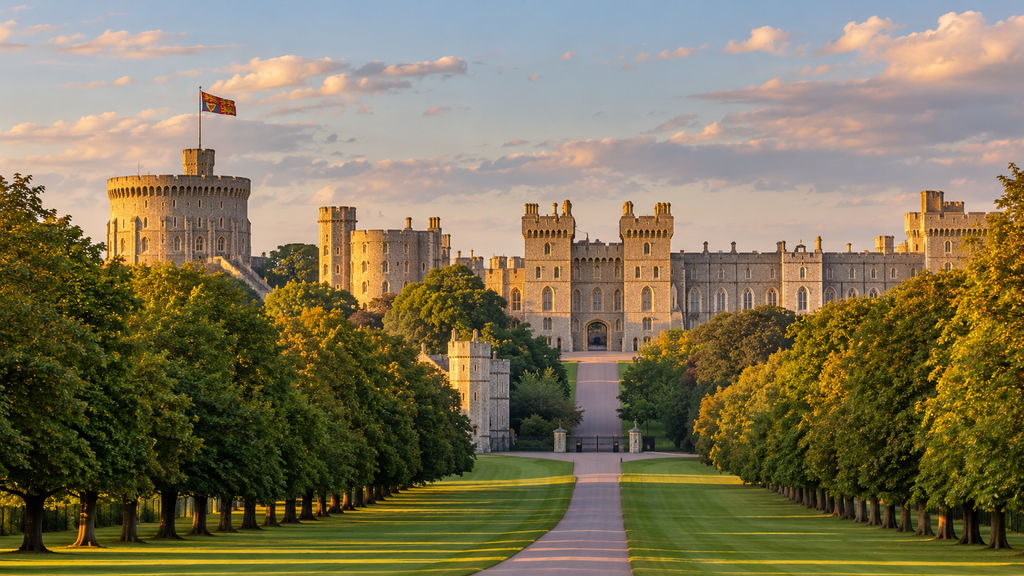
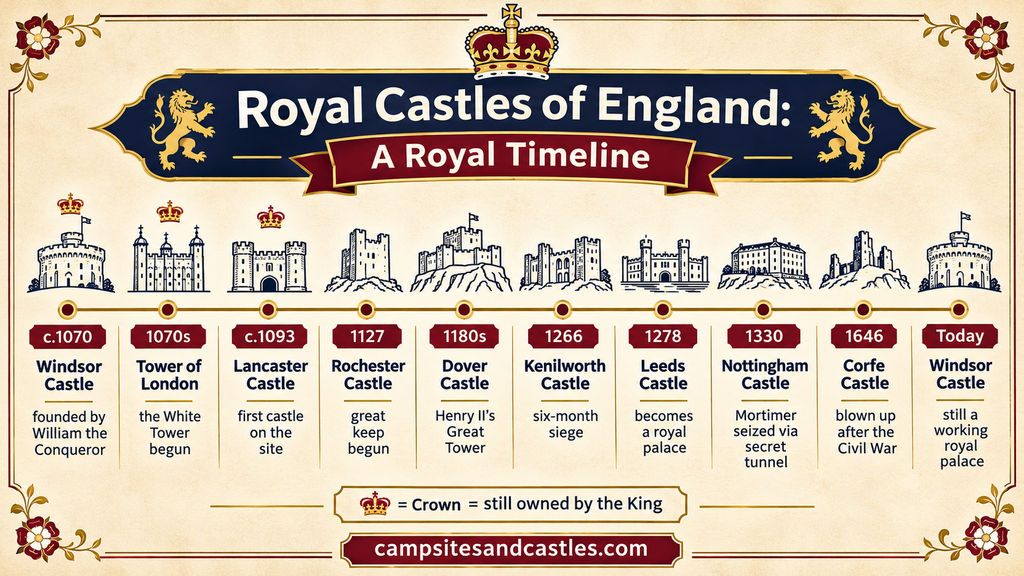
Windsor Castle is the oldest and largest occupied castle in the world. William the Conqueror founded it around 1070 as a timber motte-and-bailey fort guarding the Thames, and it has been home to 39 monarchs since.
Today it is still a working palace and an official residence of the King. Inside you can see the State Apartments, Queen Mary’s Dolls’ House and St George’s Chapel, spiritual home of the Order of the Garter and the setting for many royal weddings and funerals.
Don’t miss: the Long Walk, a tree-lined avenue running almost three miles from the castle into Windsor Great Park. It’s the perfect place to stretch your legs after a morning indoors.
Good to know: there’s no visitor parking at the castle itself, so use the town car parks or arrive by train. The castle can close at short notice for royal events — always check the Royal Collection Trust website before you travel.
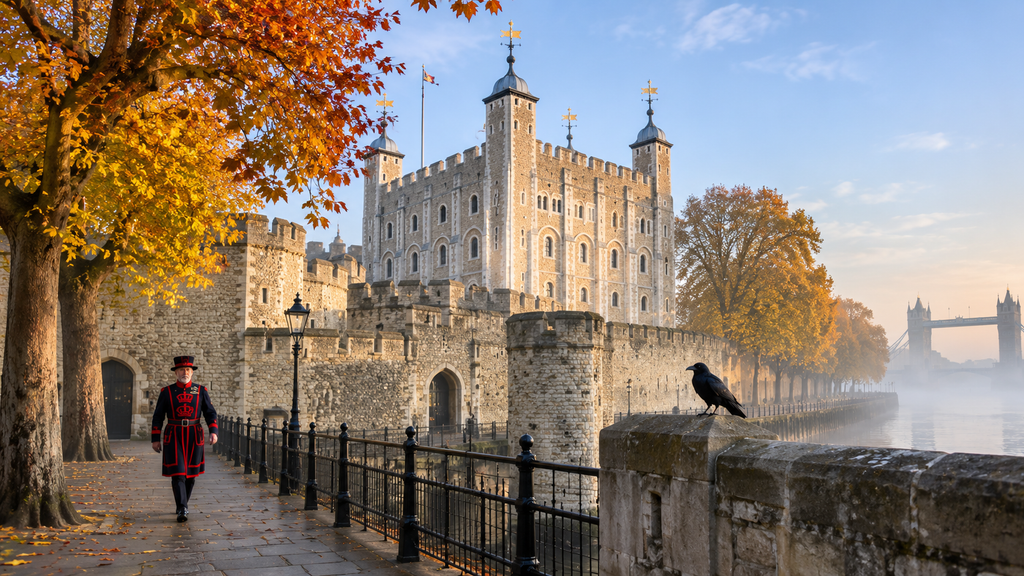
2. The Tower of London
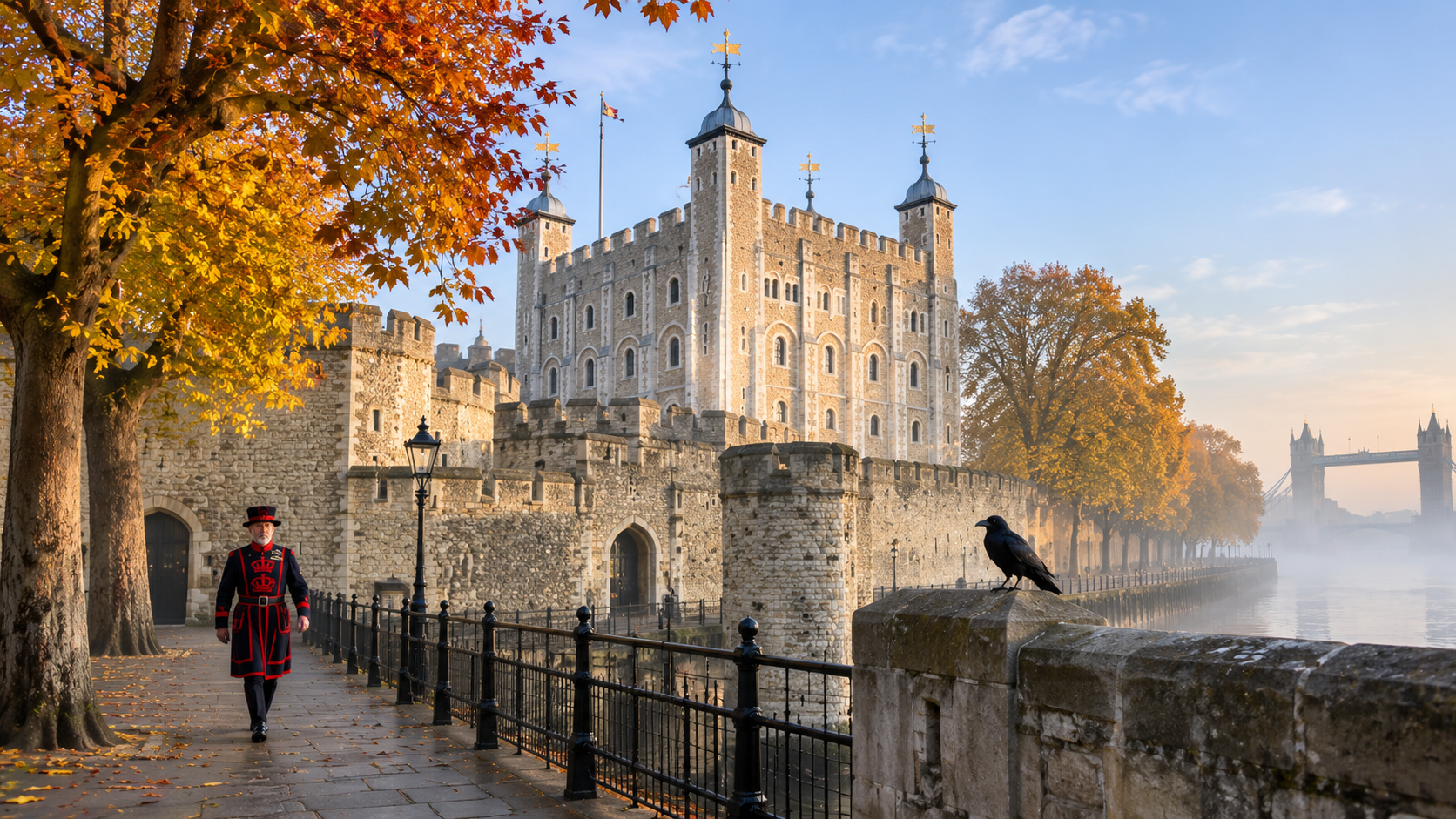
The Tower of London is officially “His Majesty’s Royal Palace and Fortress”. William the Conqueror began the White Tower in the 1070s to stamp Norman power on London, and later kings wrapped it in curtain walls and a moat.
It has been a royal home, armoury, treasury, zoo and notorious prison. Anne Boleyn and Lady Jane Grey were executed here, and the young “Princes in the Tower” vanished within its walls in 1483. The Crown Jewels are still kept here, guarded by the Yeoman Warders (Beefeaters), who also lead entertaining free tours.
Don’t miss: the ravens. Legend says the kingdom will fall if they ever leave, so at least six are always kept on site.
3. Lancaster Castle, Lancashire
Lancaster Castle is the royal castle most people have never heard of. It belongs to the King in his role as Duke of Lancaster — a title the monarch holds whether they are a king or a queen.
The castle stands on the site of a Roman fort, and its stone keep dates from the late 11th or early 12th century. For centuries it served as a court and prison. It was here in 1612 that the Pendle Witches were tried, and it remained a working prison until 2011. Part of it is still a Crown Court today.
Don’t miss: the guided tour, which takes you into the old cells, the courtroom and the Drop Room. Most interiors can only be seen on a tour, and the stories are dark — check whether they suit younger children.
The great historic royal castles of England
These castles no longer house the monarch, but each was a royal stronghold at a turning point in English history. Most are now cared for by English Heritage or the National Trust, so members get in free.
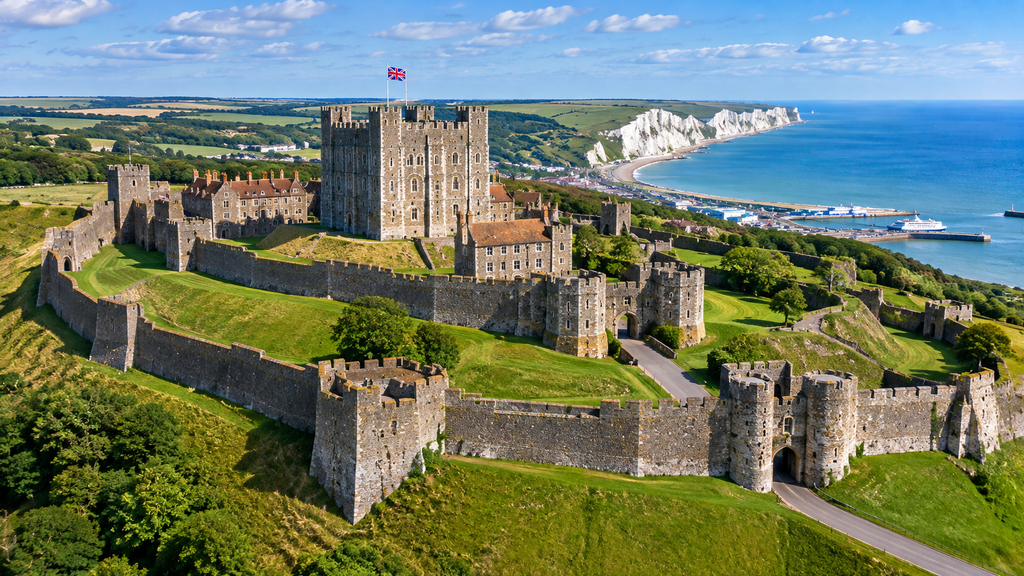
4. Dover Castle, Kent
Dover Castle has guarded the shortest crossing to France for nearly a thousand years, earning it the nickname “the Key of England”. Henry II built the mighty Great Tower in the 1180s, and its interiors have been dressed to show how his royal court would have looked.
The castle’s story didn’t end in the Middle Ages. Beneath the White Cliffs, secret wartime tunnels were used to plan the Dunkirk evacuation in 1940. You can tour them today. (English Heritage)
5. Kenilworth Castle, Warwickshire
Kenilworth was a favourite of several medieval kings and the scene of one of England’s longest sieges in 1266, when rebels held out against Henry III for six months. Later, John of Gaunt turned it into a palace, and Henry V retreated here.
Its most famous moment came in 1575, when Robert Dudley threw a 19-day party for Elizabeth I in the hope of winning her hand. The Elizabethan garden has been recreated, and the red sandstone ruins glow at sunset. (English Heritage)
6. Leeds Castle, Kent
Leeds Castle sits on two islands in a lake and is often called the loveliest castle in the world. It was a royal palace for around 300 years, given to six medieval queens, and later transformed by Henry VIII for his first wife, Catherine of Aragon.
It’s now run by a charitable foundation, with a maze, grotto, falconry and gardens that make it a great family day out. (Leeds Castle Foundation)
7. Rochester Castle, Kent
Rochester’s Norman keep is one of the tallest in England. In 1215, King John besieged rebel barons here and brought down a corner of the keep by burning the fat of 40 pigs in a tunnel beneath it. You can still see where the tower was rebuilt with a round corner instead of a square one. (English Heritage)
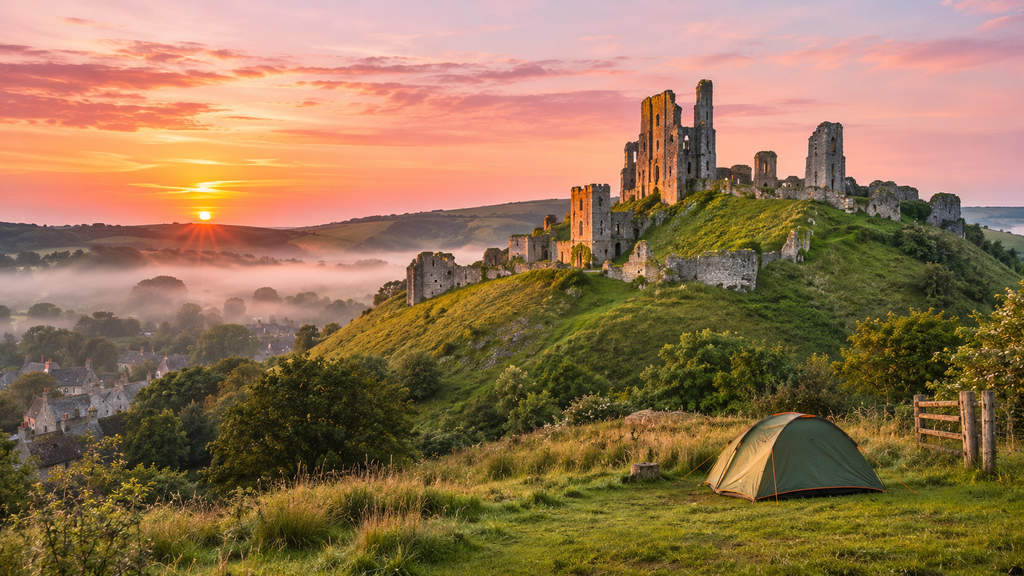
8. Corfe Castle, Dorset
Corfe Castle is perhaps England’s most dramatic royal ruin, perched on a hill in the Purbeck Hills. King John kept his treasure and prisoners here. In the Civil War, Lady Mary Bankes defended it for the King before Parliament captured it and blew it apart in 1646. The shattered walls are still tilted where the gunpowder left them. (National Trust)
9. Nottingham Castle, Nottinghamshire
Nottingham was one of the most important royal castles in medieval England. In 1330 the young Edward III’s supporters crept through a secret tunnel — now called Mortimer’s Hole — to seize Roger Mortimer, the man ruling in his name. In 1642, Charles I raised his standard here, starting the Civil War.
The medieval castle was later demolished and replaced by a ducal mansion, now a museum and gallery run by Nottingham City Council. Book the cave tour to walk Mortimer’s Hole yourself.
10. Scarborough, Orford and Pevensey
If you’re collecting royal castles, add these three:
- Scarborough Castle, North Yorkshire — Henry II’s clifftop fortress with sweeping sea views. (English Heritage)
- Orford Castle, Suffolk — Henry II’s unusual polygonal keep, remarkably intact. (English Heritage)
- Pevensey Castle, East Sussex — built inside a Roman fort, near where William the Conqueror landed in 1066. (English Heritage)
Camping near England’s royal castles
The best way to see the royal castles of England is to base yourself nearby and arrive early, before the coach tours. Here’s where to look for a pitch:
| Castle | Where to camp | Why it works |
|---|---|---|
| Windsor Castle | Thames Valley, Berkshire and south Bucks | Riverside sites, easy train hop into Windsor |
| Tower of London | Lee Valley or Crystal Palace area | London campsites with Tube or rail links into the city |
| Lancaster Castle | Forest of Bowland, Silverdale and Arnside | Quiet countryside, 20–30 minutes’ drive |
| Dover, Rochester and Leeds | Kent countryside and coast | Visit all three in one long weekend |
| Kenilworth Castle | Warwickshire | Pair with Warwick Castle on the same trip |
| Corfe Castle | Isle of Purbeck, Dorset | Coastal sites with walks on the Jurassic Coast |
Tips for visiting royal castles
- Check before you go. Working royal castles like Windsor can close at short notice for state events.
- Get a membership. An English Heritage or National Trust membership pays for itself after a few visits — Dover, Kenilworth, Rochester, Scarborough, Orford, Pevensey and Corfe are all covered.
- Book ahead in summer. The Tower of London and Windsor sell out on school holiday weekends.
- Wear proper shoes. Castle sites are hilly, cobbled and full of spiral staircases.
- Go off-season. Autumn and early spring bring smaller crowds and moody, atmospheric light for photos.
Frequently asked questions
How many royal castles are there in England? There’s no fixed list. Dozens of castles were held by the Crown in the Middle Ages. Today, Windsor Castle, the Tower of London and Lancaster Castle are the main castles still owned by the monarch.
Which royal castle does the King live in? Windsor Castle is an official residence of the King and a working royal palace.
What is the oldest royal castle in England? Windsor Castle and the Tower of London were both founded by William the Conqueror around 1070. Windsor is the oldest castle in the world still lived in.
Can you camp near Windsor Castle? Yes. There are campsites across the Thames Valley within a short drive or train ride of Windsor.
Are royal castles free to visit? Most charge entry, but English Heritage and National Trust members get into many historic royal castles free. Some sites have free-to-enter grounds — check before you go.
Plan your royal castle adventure
From Windsor’s working state rooms to Corfe’s broken towers, the royal castles of England let you walk through every chapter of the monarchy. Pick a region, find a campsite nearby, and spend a weekend living alongside history.
Which royal castle is top of your list? Let me know in the comments — and grab my free UK Castle & Campsite Bucket List to start planning your next trip.