Lincolnshire’s Past: From Castles to Cathedrals
Lincolnshire, often overlooked in favor of its more famous neighbors, is a county rich in history and heritage. With its vast landscapes and quaint villages, it’s home to some truly remarkable historical sites. Here are a few must-visit locations that tell the story of Lincolnshire’s past.
Lincoln Cathedral
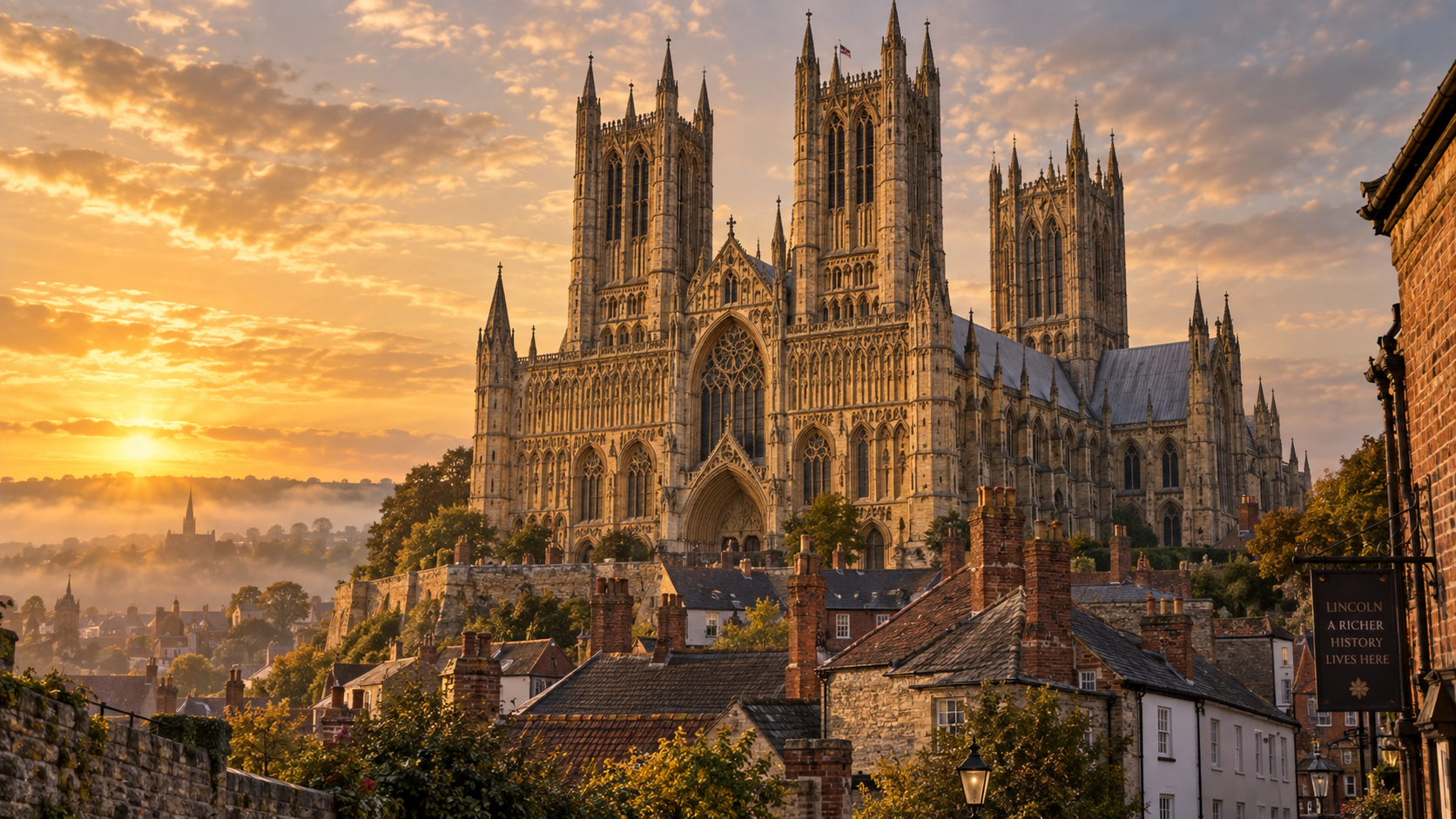
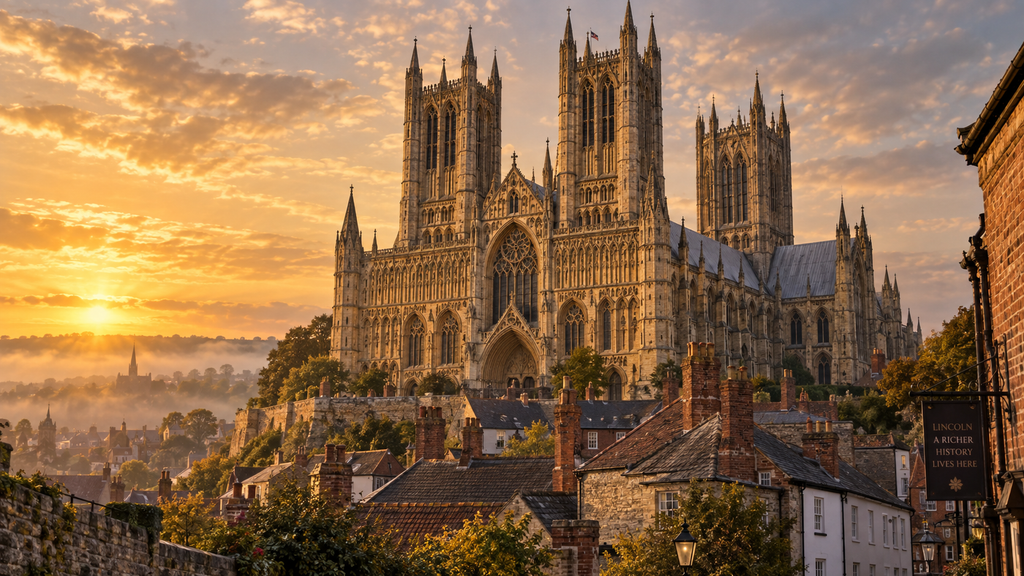
Standing proudly atop Lincoln’s hill, the Lincoln Cathedral is arguably one of the most magnificent Gothic structures in Europe. For over 200 years, it was the tallest building in the world, surpassing even the Great Pyramid of Giza. The cathedral is known for its intricate stone carvings, the stunning stained glass of the Great East Window. Its history dates back to 1072, consequently walking through its towering nave feels like stepping back in time.
Lincoln Castle
Just a stone’s throw from the cathedral, Lincoln Castle offers another slice of the past. Built by William the Conqueror in 1068, the castle has witnessed centuries of history. This includes the imprisonment of those involved in the English Civil War. Today, visitors can walk the medieval walls and explore the Victorian prison. On display is one of only four remaining original copies of the Magna Carta. The castle’s strategic position offers breathtaking views over the city and surrounding countryside.
Tattershall Castle
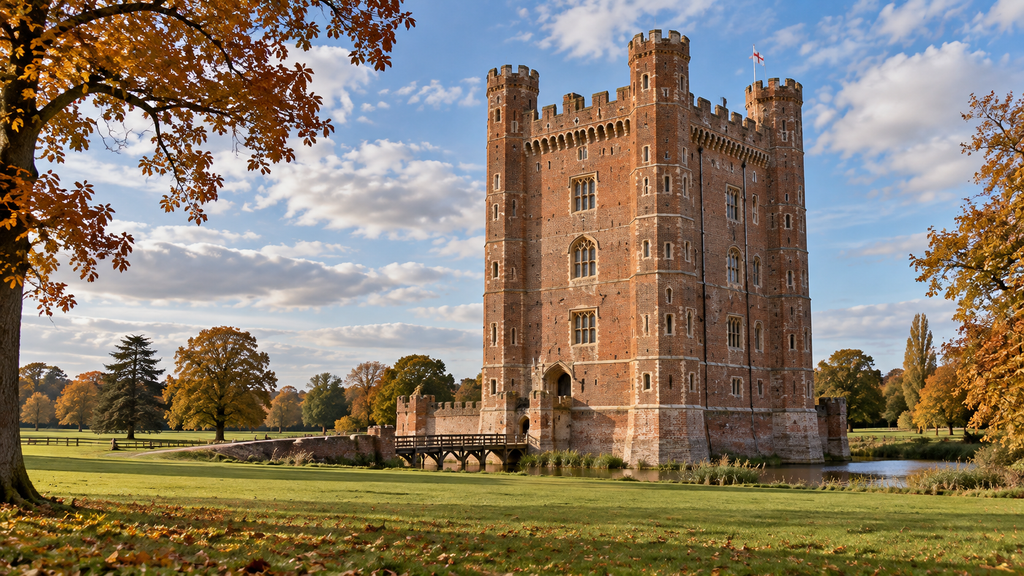
Tattershall Castle, with its grand brick towers, is a striking example of 15th-century architecture. Built by Ralph Cromwell, Lord Treasurer to Henry VI, the castle was designed to impress. Its red brickwork is unusual for the time, making it stand out among other medieval structures. The interior Tattershall Castle is just as impressive. With large fireplaces, ornate windows, and views that stretch for miles over the Lincolnshire countryside.
Grimsthorpe Castle
Grimsthorpe Castle has been in the hands of the same family for over 500 years. Its origins date back to the 13th century, but at present the current structure largely reflects Tudor and Baroque influences. The castle is surrounded by extensive gardens and parkland, which were landscaped by the famous gardener Capability Brown. Inside, the rooms are filled with antique furniture, tapestries, and paintings, each telling a story of the castle’s long history.
Woolsthorpe Manor
For those interested in science and history, Woolsthorpe Manor is a must-see. This modest 17th-century farmhouse is the birthplace of Sir Isaac Newton. It was here, under an apple tree in the garden, that Newton famously conceived his theory of gravity. The house has been preserved much as it was during Newton’s time, offering a glimpse into the life of one of the world’s greatest thinkers.
Boston Stump (St. Botolph’s Church)
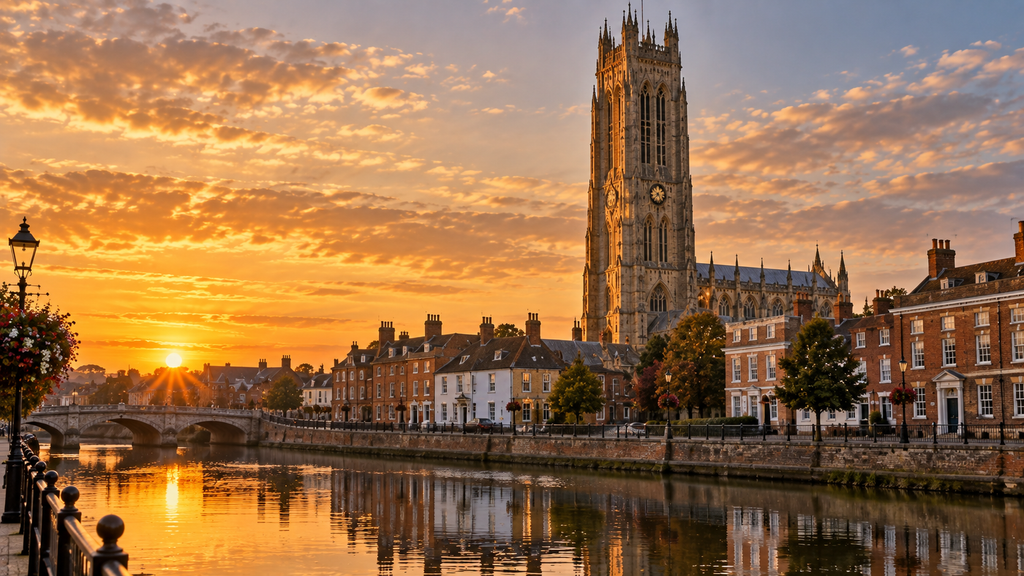
Dominating the skyline of the town of Boston, St. Botolph’s Church, known locally as the Boston Stump, is one of the largest parish churches in England. Its 272-foot tower was a beacon for sailors navigating the treacherous waters of The Wash. Today, it remains an iconic landmark. The church itself is steeped in history, with connections to the Pilgrim Fathers who sailed to America aboard the Mayflower.
Gainsborough Old Hall
Gainsborough Old Hall is one of the best-preserved medieval manor houses in England. Built around 1460, the hall has witnessed visits from royalty, including Richard III and Henry VIII. The Great Hall, with its soaring timber roof, is one of the highlight. The kitchen, which still features its original medieval cooking equipment is equally a highlight. The Old Hall’s rich history in Lincolnshire’s past is palpable in every room, making it a fascinating visit for history enthusiasts.
Epworth Old Rectory
This Georgian house in the small town of Epworth is famous as the childhood home of John and Charles Wesley, the founders of Methodism. The Old Rectory has been restored to reflect its 18th-century appearance, complete with period furniture and artifacts. The house is a pilgrimage site for Methodists around the world and offers insight into the daily life of an 18th-century clergyman’s family.
RAF Scampton Heritage Centre
For those interested in more recent history, the RAF Scampton Heritage Centre offers a deep dive into the role Lincolnshire played during World War II. Located at the still-active RAF Scampton base, the museum is housed in a hangar that once housed the famous Dambusters squadron. The exhibits include original aircraft, memorabilia, and personal stories from those who served at the base. The center is a poignant reminder of the bravery and sacrifice of the RAF during the war.

Worth A Visit
Each of these sites offers a unique window into Lincolnshire’s rich past, from medieval fortresses to the roots of modern science and religion. Whether you’re a history buff or just looking to explore some of England’s hidden gems, Lincolnshire’s historical sites are well worth a visit.
More from Campsites and Castles: