Solo Camping in the UK: A Complete Safety Guide for Beginners
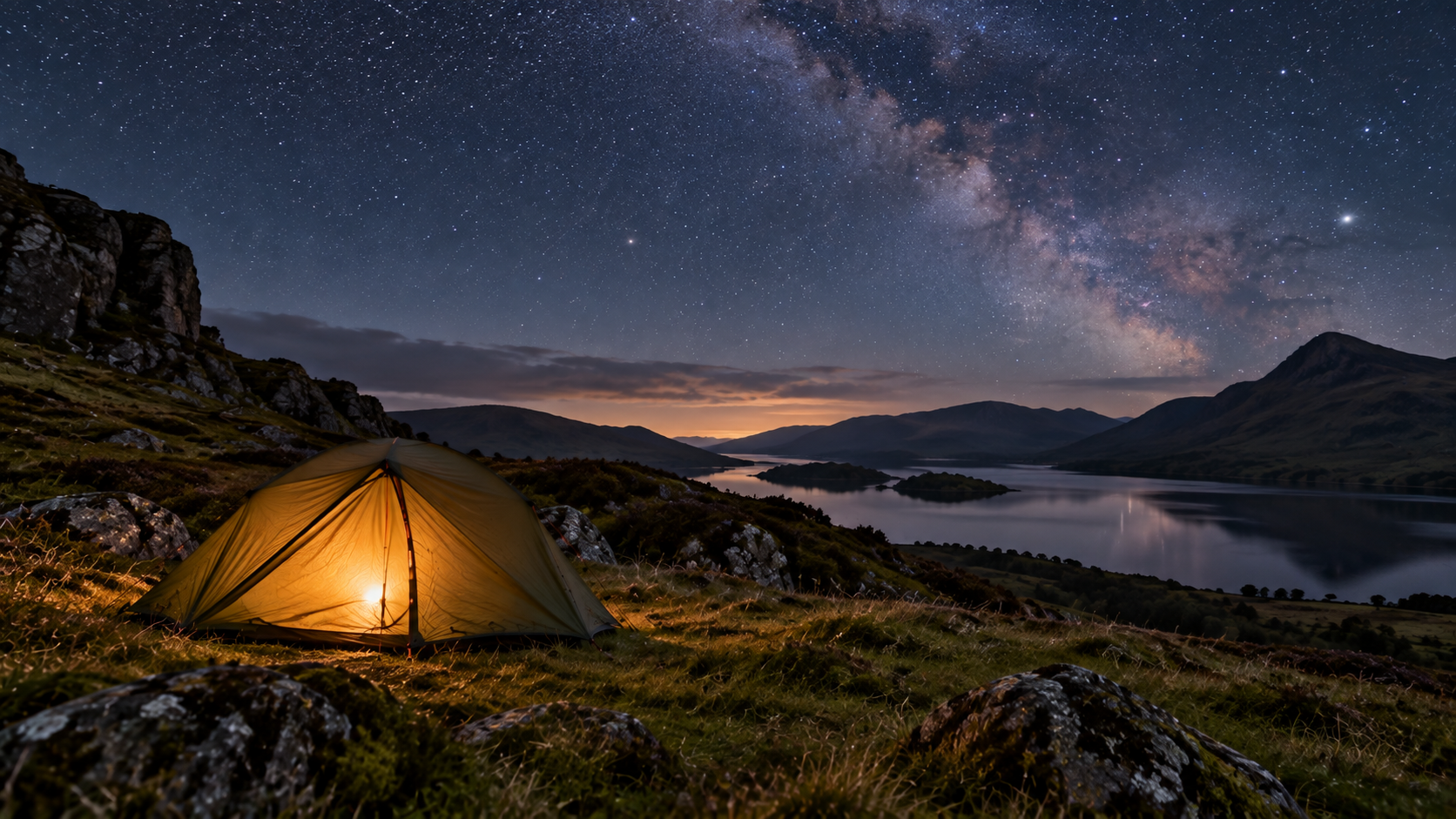
Solo camping in the UK is one of the most rewarding ways to explore Britain’s countryside — from Scotland’s rugged highlands to the rolling hills of the Lake District. Camping alone gives you total freedom over your route, pace, and campsite choice. But it also comes with risks you need to plan for. This guide covers everything a first-time solo camper in the UK needs to know, from pre-trip planning to wildlife safety and emergency preparedness.
Pre-Trip Planning for Solo Camping in the UK
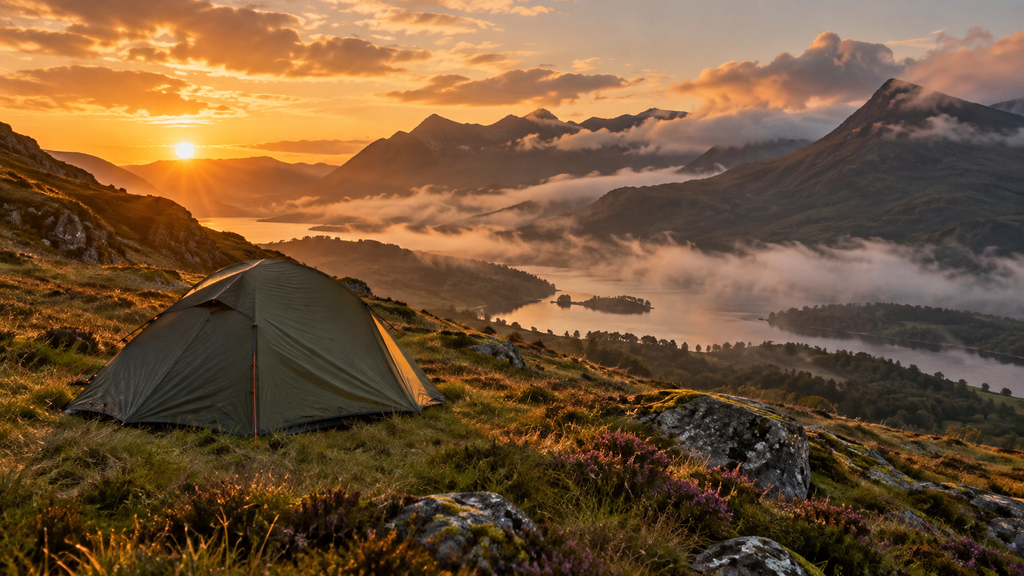
Thorough planning is the single biggest factor in a safe solo camping trip. Start by researching your destination — the UK has 15 National Parks and numerous Areas of Outstanding Natural Beauty (AONBs), each with different terrain and regulations.
Before you leave, always tell a trusted friend or family member your route, expected campsite, and estimated return time. For remote trips, consider leaving a copy of your itinerary with local Mountain Rescue services.
Check the forecast on the Met Office before departing — UK weather changes fast, so pack for multiple conditions.
Wild camping rules vary significantly across the UK. It’s broadly permitted in Scotland (with some restrictions), but prohibited in most of England and Wales without landowner permission, with the exception of parts of Dartmoor.
Essential Gear for Solo Camping
Pack these essentials for any solo UK trip:
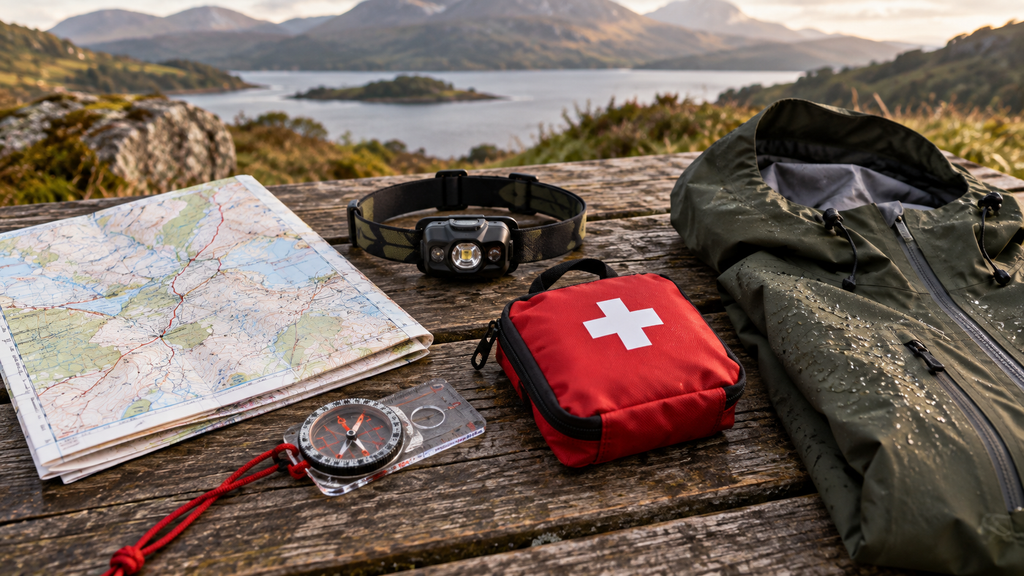
- Navigation: an Ordnance Survey (OS) map and compass — don’t rely on your phone alone
- First aid kit: a comprehensive kit plus any personal medication
- Emergency communication: a personal locator beacon or satellite messenger, since mobile coverage is patchy in rural areas
- Layered, waterproof clothing and sturdy boots for the UK’s changeable weather
Choosing and Setting Up a Safe Campsite
Look for flat, dry ground sheltered from the wind. Avoid valley bottoms, where cold air pools, and anywhere that could flood after rain. Anchor your tent securely and use a groundsheet to fight the UK’s damp conditions.
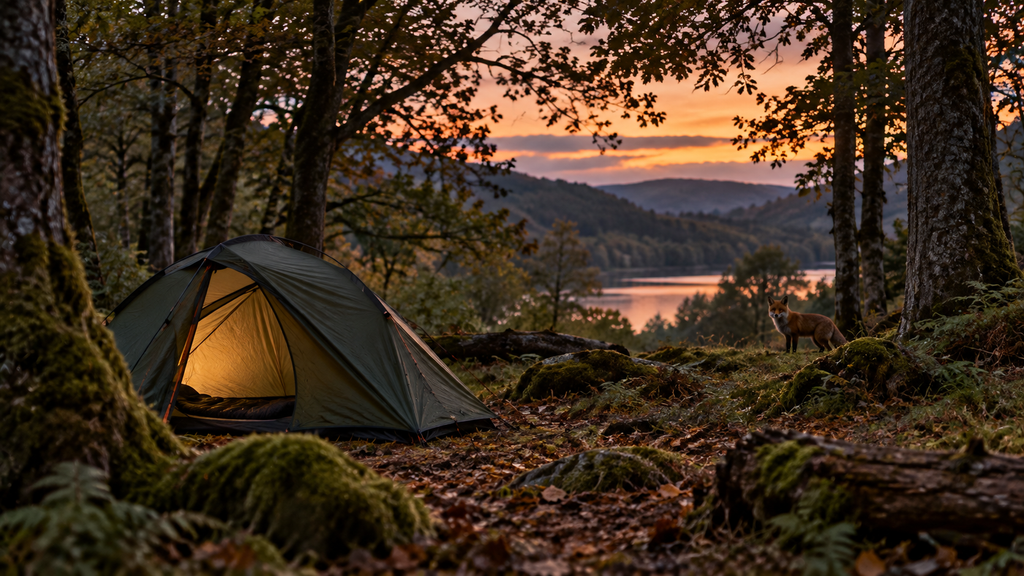
Store food in sealed containers away from your tent — the UK has no large predators, but foxes and badgers will investigate an easy meal.
Wildlife Safety
UK wildlife poses little danger to campers, but stay alert. Keep food sealed against foxes and badgers, and give livestock — especially cattle with calves — a wide berth.
The real nuisance is small: midges and ticks. Midges are common in Scotland and damp areas in summer — pack repellent and a head net. Ticks can carry Lyme disease, so check yourself daily and know how to remove them safely.
Fire and Water Safety
Open fires are often banned in UK camping areas due to wildfire risk — use a camping stove instead, and always check local rules before lighting anything.
Treat all stream and river water before drinking, using a filter or purification tablets. Be cautious crossing water after rainfall, and if wild swimming, watch for cold water shock and strong currents.
Emergency Preparedness
Build a plan before you go. Save 999 (emergencies) and 101 (non-emergency police) in your phone, and learn basic wilderness first aid for sprains, cuts, and hypothermia. If you need to signal for help, the international distress signal is six long whistle blasts or torch flashes, repeated at one-minute intervals.
Staying Mentally Prepared
Solo camping is a profound experience, but solitude can be challenging. Bring a book or journal for quiet moments, and if things feel unsafe, trust your instincts.
Leave No Trace and UK Camping Etiquette
- Pack out all rubbish, including biodegradable waste
- Bury human waste at least 30 metres from water sources
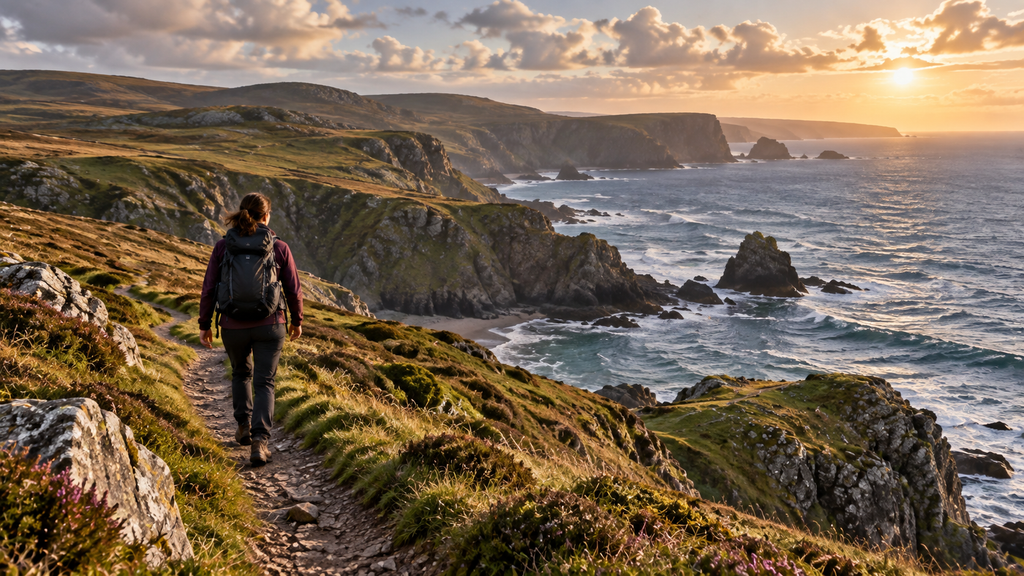
- Stick to established paths
- Leave natural objects where you find them
Scotland’s “Right to Roam” allows wild camping on most unenclosed land, but England and Wales are more restrictive — follow the Countryside Code everywhere. Close gates, keep dogs under control, and if wild camping, arrive late, leave early, and stay discreet.
Final Thoughts
Solo camping in the UK offers solitude, challenge, and a genuine connection to Britain’s landscapes. With careful preparation, the right gear, and respect for the environment, you’ll be ready for your first solo adventure.
The Complete UK Camping Guide: Everything You Need to Know